
A Homeowner's Guide to Eco-Friendly Cleaning Products in 2026
Learn to choose effective eco-friendly cleaning products for a healthier home. Our guide covers reading labels, DIY recipes, and avoiding greenwashing.
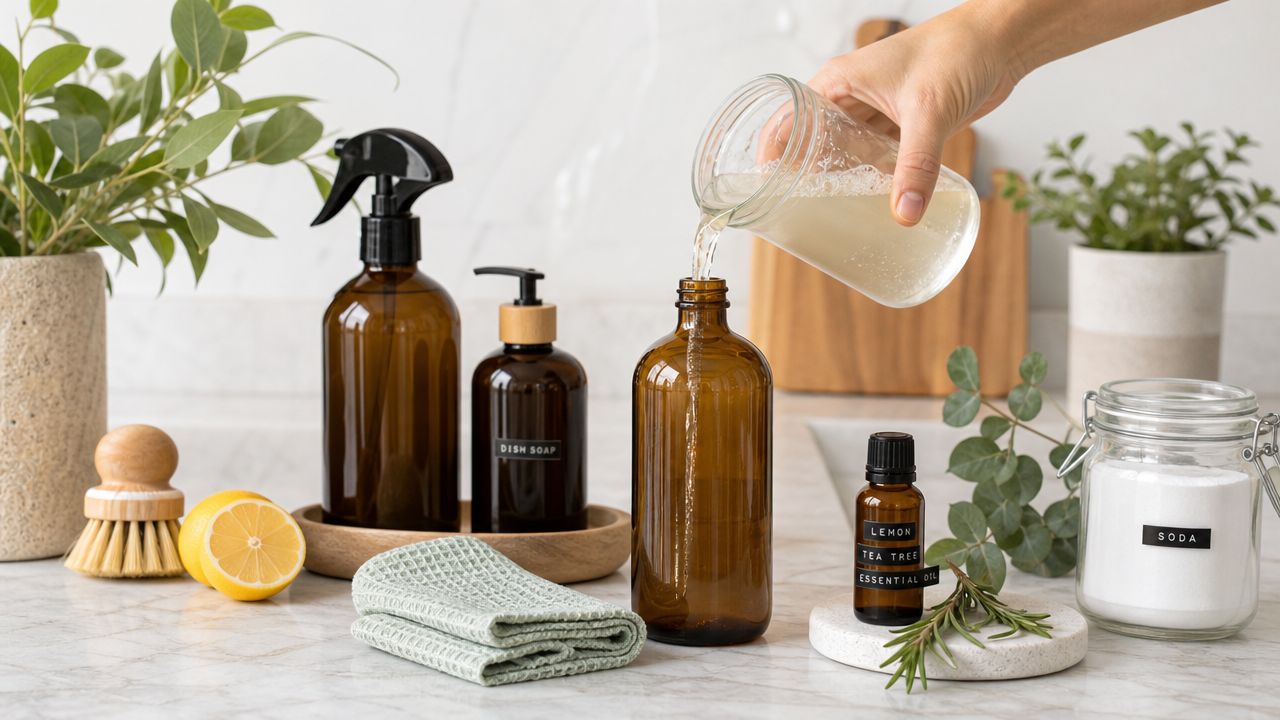
When you see "eco-friendly" on a cleaning bottle, what does it really mean? At its most basic, it means the product is made with ingredients that are safe for people, pets, and the planet. Think of it like the food you eat—you want simple, wholesome ingredients, not a long list of harsh chemicals that leave behind a toxic residue.
Table of Contents
- Core Principles of Green Cleaning
- Decoding Common Cleaning Labels
- Spotting Red Flags and Green Flags on Ingredient Lists
- Kitchen Surfaces: Granite, Quartz, and Stainless Steel
- Bathroom Surfaces: Porcelain, Marble, and Glass
- Living Areas: Hardwood and Natural Stone Floors
- Are eco-friendly cleaning products as effective as traditional ones?
- Can I really use vinegar and baking soda to clean everything?
- Does hiring an eco-friendly cleaning service cost more?
- Is there a difference between "natural" and "eco-friendly"?
What Makes a Cleaning Product Truly Eco-Friendly?
The term “eco-friendly” gets thrown around a lot, and it’s easy to feel like it’s just another marketing buzzword. But a genuinely green cleaning product is so much more than a pretty leaf on the label. It’s a commitment to health and sustainability that runs deep. For homeowners in communities like Weston and Wellesley, the switch is often driven by a desire for cleaner indoor air and a need to protect expensive surfaces from corrosive chemicals.
To see past the marketing hype, you need to understand what separates truly green products from their conventional counterparts.
Core Principles of Green Cleaning
It’s not just about what’s in the bottle, but the product’s entire lifecycle—from where the ingredients came from to how it breaks down after you’ve wiped down your counters.
Here’s what to look for:
- Non-Toxic Ingredients: The formula should be free from chemicals like ammonia, chlorine bleach, and phthalates. These are known irritants that can affect your respiratory system and contribute to poor indoor air quality. Instead, effective green cleaners rely on plant-derived alternatives.
- Biodegradability: After you use it, the product should break down naturally and quickly. This prevents its ingredients from polluting our waterways and harming aquatic life.
- Sustainable Sourcing: Responsible brands choose ingredients, like plant-based surfactants or essential oils, that are sourced in a way that doesn’t drain natural resources or damage delicate ecosystems.
- Responsible Packaging: This is a big one. Look for companies that use recycled materials, offer convenient refill pouches, or design packaging that’s easy to recycle, all to help minimize landfill waste.
A cleaner home shouldn't come at the cost of a healthy one. The primary benefit of making the switch is creating a safer indoor environment, free from the volatile organic compounds (VOCs) that many traditional cleaners release into the air.
This movement toward green cleaning is no longer a small, niche trend. The global market for green cleaning products was valued at an impressive USD 37.56 billion in a 2026 estimate, and it's projected to keep growing. This trend clearly shows that eco-friendly options are becoming the new standard for homeowners and professionals alike, not just some premium add-on. The market data on this growing trend makes it clear that green cleaning is here to stay.
Walking down the cleaning aisle can feel overwhelming. With so many bottles claiming to be “natural,” “green,” or “eco-friendly,” how do you know what’s real and what’s just clever marketing? This tactic has a name: greenwashing. It’s designed to make you think a product is environmentally friendly when it might be anything but.
Once you learn to see past the leafy graphics and earthy-toned packaging, you can start making choices that are genuinely better for your home and the planet.
The key is to look for proof, not promises. The most reliable way to do that is to find credible, third-party certifications on the label. These seals mean an independent organization has put the product through rigorous testing to verify it meets high standards for health, safety, and environmental impact. They are your best defense against misleading marketing.
This infographic lays out the fundamental differences between truly eco-friendly cleaning and conventional methods.
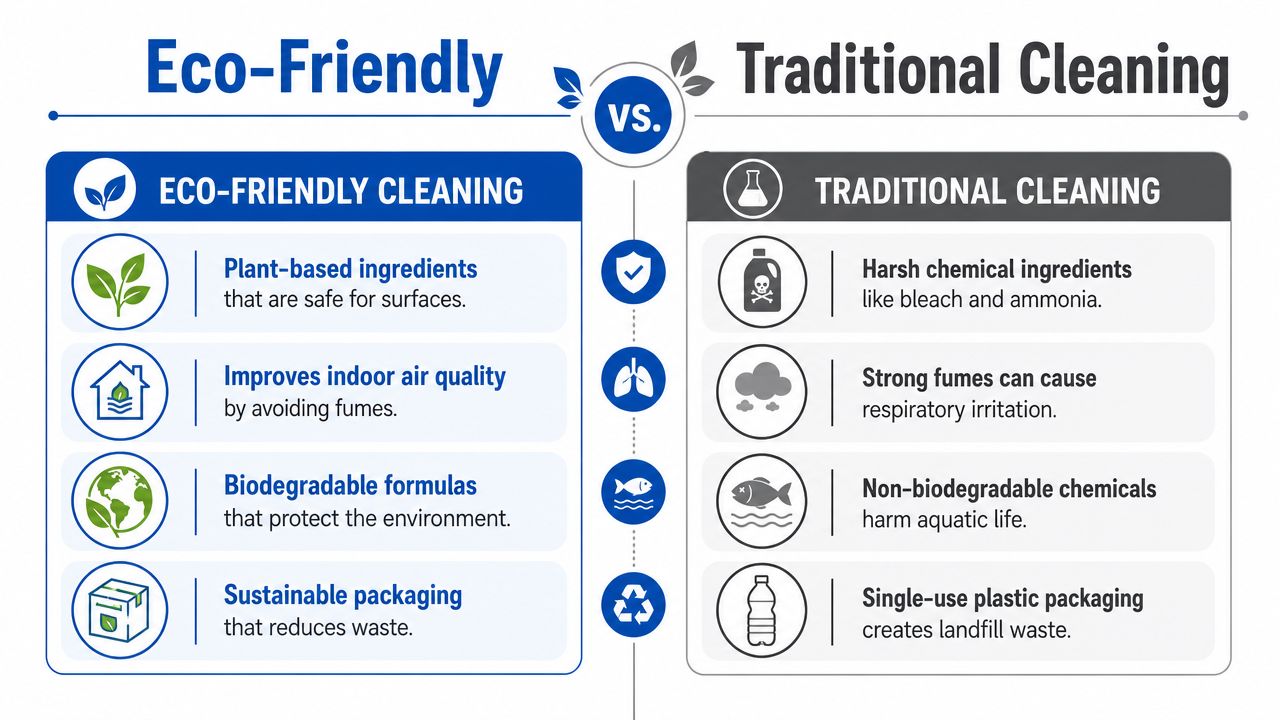
As you can see, the focus of green cleaning goes far beyond the bottle itself—it encompasses everything from plant-based ingredients to reduced packaging and long-term sustainability.
Decoding Common Cleaning Labels
To help you cut through the noise, here's a quick guide to what different labels really mean. Vague marketing terms are everywhere, but a true certification holds a company accountable.
| Label Claim or Certification | What It Really Means | Level of Trust |
|---|---|---|
| "Natural" or "Green" | This is a marketing term with no regulated definition. It could mean anything or nothing at all. | Low |
| "Non-Toxic" | Another unregulated term. While it *suggests* safety, it isn't backed by any specific standard. | Low |
| EPA Safer Choice | The product has been reviewed by the U.S. Environmental Protection Agency to ensure every ingredient is safe for people and the environment. | High |
| Green Seal Certified | A product has met strict, science-based standards covering its entire lifecycle, from raw materials to disposal. | High |
| "Biodegradable" | The ingredients can break down in nature, but the term doesn't specify *how long* it will take or under what conditions. | Medium |
Ultimately, looking for those official certification logos from organizations like the EPA or Green Seal is the fastest way to validate a product's claims.
Spotting Red Flags and Green Flags on Ingredient Lists
Beyond certifications, the ingredient list itself tells you the real story. Knowing what to look for—and what to avoid—is your secret weapon.
Red Flag Ingredients to Avoid
If you see these on a label, it’s a good sign to put the bottle back on the shelf. These common chemicals are known to cause issues from poor indoor air quality to more serious health risks.
- Phthalates: Often disguised as "fragrance," these are known endocrine disruptors. If you see "fragrance" without an asterisk explaining it's from essential oils, be cautious.
- Ammonia: A powerful irritant that can cause respiratory problems, especially when used in small, poorly ventilated spaces like bathrooms.
- Chlorine Bleach: It's a harsh chemical that can create toxic gas if accidentally mixed with other cleaners (like ammonia!). It’s also harmful to aquatic ecosystems.
- Quaternary Ammonium Compounds (Quats): Often found in disinfectants, these can be harsh on the skin and are linked to promoting antibiotic-resistant bacteria.
Green Flag Ingredients to Look For
On the flip side, genuinely eco-friendly products are powered by ingredients that work hard without the nasty side effects. Look for cleaners built around these workhorses:
- Plant-Derived Surfactants: Ingredients like coco glucoside or decyl glucoside lift away dirt and grime effectively and are gentle on the environment.
- Hydrogen Peroxide: A fantastic, non-toxic powerhouse for disinfecting and whitening. It breaks down into just water and oxygen.
- Citric Acid: Derived from citrus fruits, this is a champ at dissolving soap scum, hard water deposits, and mineral stains.
- Enzymes: These are brilliant for targeting and breaking down specific organic stains, like food spills, grass stains, or pet messes.
Switching to safer cleaning products doesn't need to be a chore. Once you know how to read the signs, you can confidently choose products that give you a sparkling clean home without compromising your health or the environment.
The Right Green Cleaner for Every Surface in Your Home
Choosing the right cleaner is a bit like cooking; you wouldn’t use a butcher’s knife to peel a grape. Using the wrong product on a surface can do more harm than good, turning a simple cleaning task into a costly repair. Let's walk through which eco-friendly cleaners work best for the different surfaces around your house, so you can clean confidently without causing accidental damage.
This isn't just some passing fad. The move toward greener cleaning products is a significant shift, backed by some powerful numbers. Recent data shows that 73% of consumers prefer using eco-friendly products. On top of that, 68% are willing to pay more for cleaners they believe are safer and more sustainable. As you can discover in more detail from industry reporting, this trend is largely driven by families wanting to keep their homes safe for children and pets.
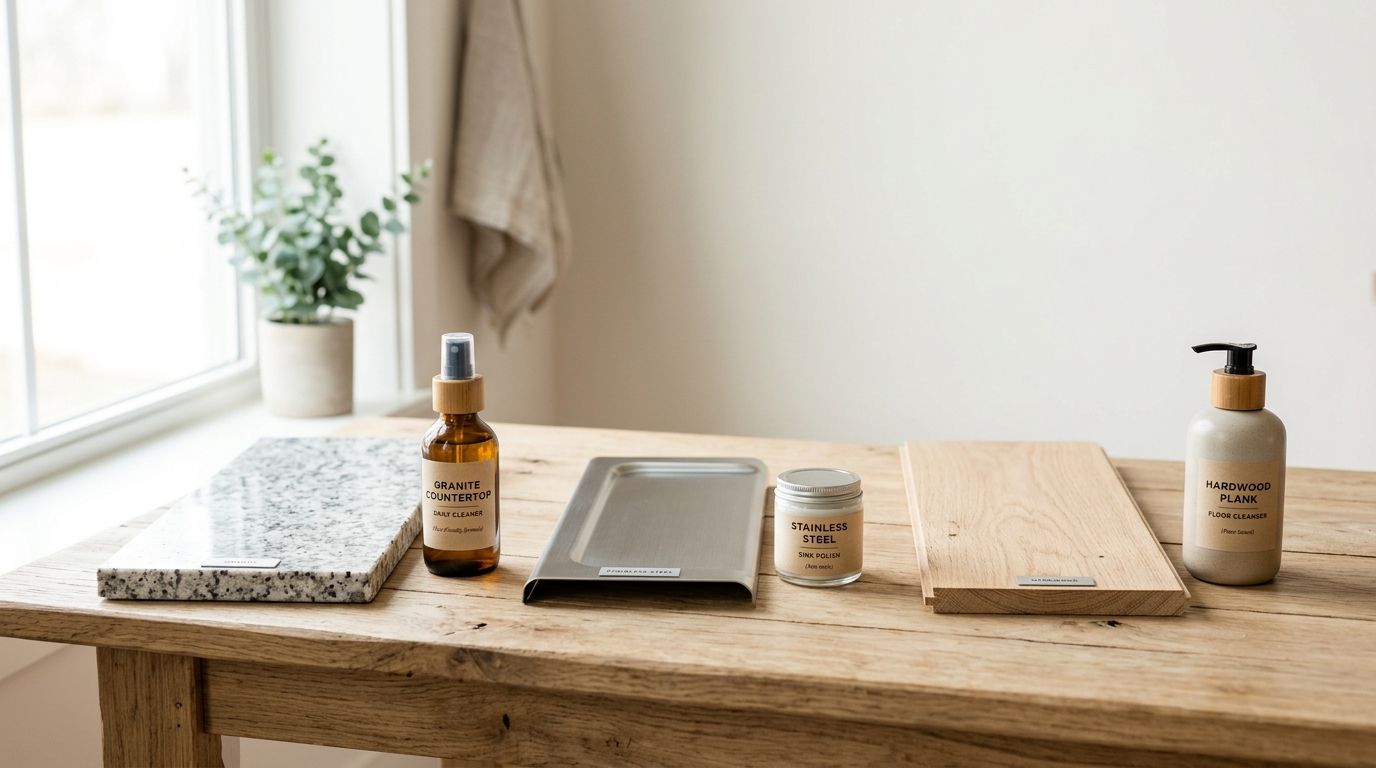
Kitchen Surfaces: Granite, Quartz, and Stainless Steel
The kitchen is the heart of the home, a space where food prep and heavy foot traffic demand cleaners that are both effective and safe. Using the wrong stuff here can dull your beautiful countertops or leave your appliances looking streaky.
Granite and Quartz: The single most important rule for these countertops is to stick with a pH-neutral cleaner. Anything acidic, including common DIY solutions with vinegar or lemon, will slowly eat away at the sealant and etch the stone itself. Look for plant-based, pH-balanced sprays made specifically for stone. For everyday messes, a simple mix of warm water and a drop of gentle dish soap is perfect.
Stainless Steel: To finally win the war against fingerprints and water spots, grab a soft microfiber cloth and a dedicated stainless steel cleaner. These are usually made with plant-derived solvents that cut through grime without leaving residue. If you're in a pinch, a tiny bit of olive oil on a cloth can help polish the surface, but nothing beats a proper cleaner for a truly streak-free shine. Always remember to wipe in the direction of the grain to prevent tiny scratches.
Bathroom Surfaces: Porcelain, Marble, and Glass
Bathrooms are ground zero for soap scum, hard water stains, and mildew. It’s tempting to reach for the harshest chemicals you can find, but there are green alternatives that work just as well without the noxious fumes.
Porcelain Sinks and Tubs: For that stubborn ring of soap scum, a simple paste of baking soda and water acts as a gentle, non-scratching abrasive. When you need to disinfect, a spray with hydrogen peroxide is a fantastic, safe option that breaks down into just water and oxygen.
Marble Vanities and Tile: Just like granite, marble is a soft, porous stone that is extremely sensitive to acid. I'll say it again: never use vinegar on marble. You'll cause permanent damage. Always use a pH-neutral stone cleaner to protect its delicate finish.
Glass Shower Doors: Here's where vinegar can be your best friend. A 50/50 mix of white vinegar and water in a spray bottle is a classic for a reason—it cuts right through hard water spots and soap scum. Just be careful not to let the spray drift onto any nearby marble or natural stone.
A Note on Grout: Dirty grout can make an entire bathroom look dingy. An oxygen-based cleaner (you'll often find it in powder form) or a hydrogen peroxide spray will do wonders to brighten it up without the harshness of chlorine bleach. To learn more about tile care, check out our guide on the best way to clean tile floors.
Living Areas: Hardwood and Natural Stone Floors
Your floors put up with a lot of wear and tear. Cleaning them gently but effectively is the secret to making them last.
For sealed hardwood floors, find a pH-neutral cleaner specifically formulated for wood. While a heavily diluted vinegar solution might seem okay, using it too often can gradually dull the finish. For natural stone floors like travertine or slate, treat them just like your stone countertops—only pH-neutral cleaners will do the job safely and protect their natural beauty.
Simple and Effective DIY Green Cleaning Solutions
If you enjoy a more hands-on approach, making your own cleaning products can be incredibly rewarding. It's not just cost-effective; it gives you total control over what you're using on your home’s surfaces. And the best part? The most powerful green cleaners often come from simple, inexpensive ingredients you probably have in your kitchen right now.
It all comes down to some very basic chemistry. You don't need a complicated formula—just an understanding of how natural ingredients work against dirt and grime. For example, the acidity in plain white vinegar is a powerhouse for dissolving hard water stains and cutting through greasy films. Baking soda, on the other hand, acts as a gentle abrasive, allowing you to lift grime without scratching most surfaces.
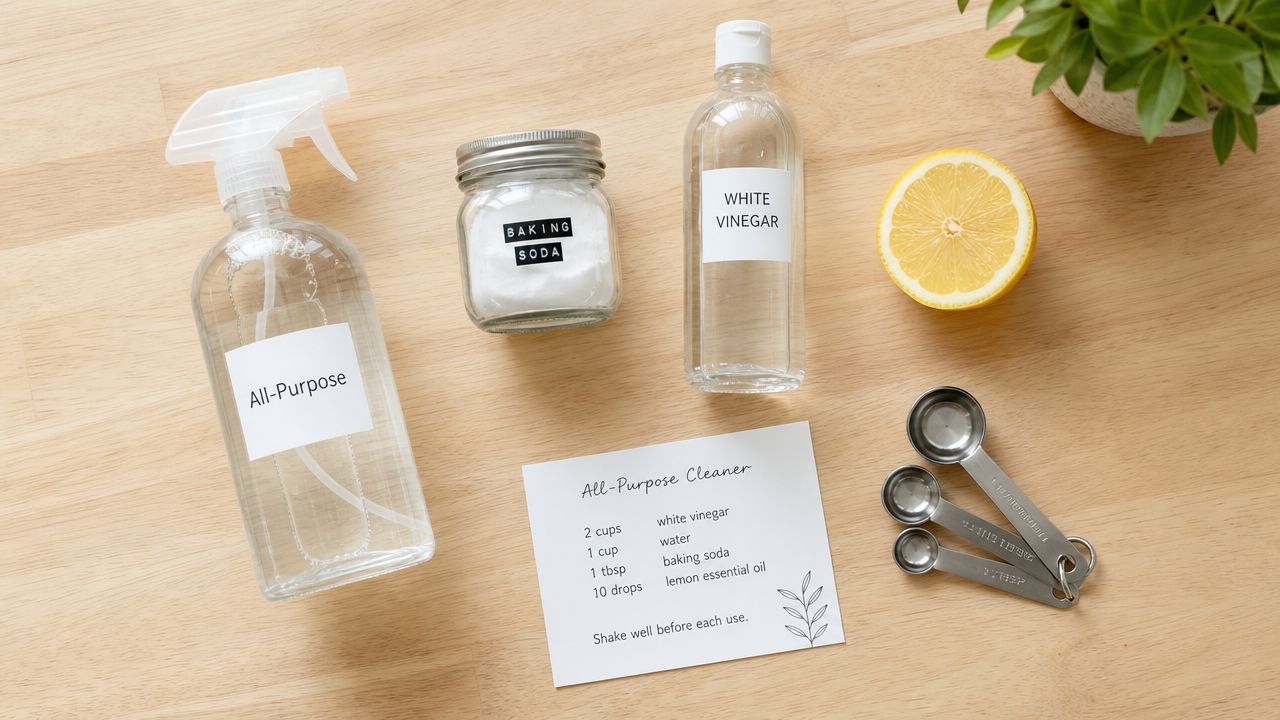
DIY Recipes for a Sparkling Home
Ready to try it yourself? Here are three tried-and-true recipes that are perfect for your daily cleaning routine. Just remember to clearly label your homemade solutions and store them safely away from children and pets.
- All-Purpose Cleaner: In a spray bottle, mix equal parts white vinegar and distilled water. To cut the vinegar smell and add a fresh scent, add 10-15 drops of an essential oil like lemon or lavender. It’s fantastic for most countertops (but not stone!), sinks, and general wipe-downs.
- Streak-Free Glass Spray: Combine one part white vinegar with one part distilled water in a spray bottle. The secret to a perfectly streak-free shine isn’t just the solution—it’s drying the glass completely with a clean, dry microfiber cloth.
- Gentle Scrubbing Paste: For tougher messes like soap scum or dingy grout, make a thick paste with baking soda and a little water. Apply it to the area, let it sit for about 15 minutes, then gently scrub with a soft brush and rinse it all away.
A quick tip from my years of experience: more isn't always better. A simple 50/50 vinegar and water mix is often just as powerful as a stronger one, and it's much gentler on your home's surfaces in the long run. For more ideas like this, check out our guide to spring cleaning hacks for a healthier home.
When to Avoid DIY Solutions
As great as DIY cleaners are, they aren’t the right tool for every single job. Knowing their limits is key to avoiding accidental damage to some of the most beautiful and valuable surfaces in your home. There's a reason professional products are formulated and tested for specific materials.
Put the vinegar away when you're cleaning these surfaces:
- Natural Stone: The acid in vinegar will etch and dull marble, granite, and travertine.
- Hardwood Floors: Using vinegar repeatedly can wear down the protective finish.
- Antique Wood or Porous Surfaces: These delicate surfaces can be damaged by both the moisture and the acidity.
For these materials, a professionally formulated commercial product is always the safer choice. And if you're ever in doubt, or if you're facing deep-seated dirt that your DIY recipes can't tackle, calling a professional service like Sunny Day Pro Services ensures the job gets done right—without any risk to your home.
When to Call a Professional for Eco-Friendly Cleaning
While your own DIY efforts and store-bought green cleaners are perfect for keeping up with day-to-day messes, some jobs just call for a professional. It's not about giving up; it's about being smart. Knowing when to bring in an expert can save you a world of time and guarantee a truly deep, safe clean without accidentally damaging expensive surfaces.
Think of it as calling in a specialist. A pro team arrives with the training, commercial-grade eco-friendly products, and specialized equipment to handle jobs that are well beyond a quick weekend wipe-down. For busy homeowners in places like Needham and Wayland, the biggest win is getting your valuable time back.
Scenarios That Demand a Professional Touch
Let's be honest—some cleaning jobs are too big, too intricate, or just need to be done right now. Trying to tackle these on your own can be overwhelming. That’s when calling a professional service like Sunny Day Pro Services becomes the most practical solution.
Here’s when you should definitely make the call:
Deep Cleaning: A genuine deep clean is a whole different ballgame. It’s a systematic, top-to-bottom process that covers everything from light fixtures and ceiling fan blades down to the baseboards and behind the appliances. Professionals know which eco-friendly products work best on every surface, a detail you can learn more about in our guide to professional deep cleaning services.
Move-In and Move-Out Cleaning: Moving is already one of life’s most stressful events. A professional crew can swoop in and get a property spotless for the next residents or ensure your new home is pristine and welcoming before you even unpack a box. This is especially crucial for meeting the stringent standards of landlords and real estate agents.
Post-Construction Cleanup: A renovation or new build leaves a unique mess. That fine, gritty dust gets absolutely everywhere—inside vents, on top of cabinets, and in every single crevice. Regular vacuums and cloths just can’t handle it. Pros use specialized equipment to capture this debris, leaving your new space truly clean and ready for you to enjoy.
The real value of hiring an expert lies in their ability to eliminate guesswork. A trained professional knows precisely which eco-friendly cleaner is safe for your unsealed marble versus your high-gloss cabinetry, preventing costly mistakes and protecting your investment.
In the end, calling in a professional for eco-friendly cleaning isn’t a splurge—it’s a practical choice for getting a better result. It gives you the peace of mind that your home is not just sparkling, but genuinely healthy. And, most importantly, it gives you back your most precious resource: your time.
Frequently Asked Questions About Switching to Green Cleaning
Deciding to go green with your cleaning routine is a great first step, but it's natural to have a few questions before you dive in. It’s one thing to like the idea of eco-friendly products, but it’s another to trust them on your own floors and countertops. Let's clear up some of the most common questions we hear from homeowners.
Are eco-friendly cleaning products as effective as traditional ones?
This is probably the number one concern we hear, and the answer is a resounding yes. The green cleaning products on the market today have come a long way. They use powerful, plant-derived ingredients like surfactants, enzymes, and natural acids that are specifically chosen to break down different kinds of dirt and grime.
The real secret is matching the right cleaner to the right mess. An acidic cleaner like vinegar is perfect for cutting through mineral deposits on glass, but for a protein-based stain on your carpet, you'll want an enzyme-based formula. For that stubborn soap scum in the shower, products built on citric acid are just as tough as their chemical-heavy counterparts, but they won't fill your bathroom with toxic fumes.
Can I really use vinegar and baking soda to clean everything?
Vinegar and baking soda are amazing, no doubt. They're the workhorses of any DIY cleaning kit, but they definitely have their limits and aren't safe for every surface.
Vinegar, being an acid, is a major problem for natural stone. Using it on surfaces like marble, granite, or travertine will slowly etch the surface, dulling its beautiful finish and even damaging the protective seal. Baking soda is a gentle abrasive, but it’s still an abrasive. Be careful using it on delicate materials that scratch easily, like high-gloss acrylic or some polished stainless steel appliances. When in doubt, always test your DIY mix in a hidden spot first.
The most important rule in cleaning is to match the cleaner to the surface. For expensive materials like natural stone, a commercially formulated, pH-neutral eco-friendly product is almost always your safest—and most effective—bet.
Does hiring an eco-friendly cleaning service cost more?
Many people are surprised to learn that the cost difference is minimal, if there’s one at all. In fact, many top-tier professional cleaning companies now use eco-friendly products as their standard. We do it because they're safer for our cleaning technicians, your family, and your pets.
Ultimately, the real value isn't just about cost—it's about creating a healthier home without having to sacrifice a spot-free shine. When you ask for a quote for your home in areas like Wellesley or Newton, you can always specify your preference for green products and get clear, upfront pricing.
Is there a difference between "natural" and "eco-friendly"?
Yes, and this is a crucial distinction to understand when you're reading labels. "Natural" is often just a marketing buzzword. After all, things like arsenic and lead are technically natural, but you wouldn’t want them in your cleaner. The term is unregulated and doesn't guarantee a product is safe.
"Eco-friendly," on the other hand, should be a much more comprehensive claim. It implies the product is not only non-toxic but also biodegradable, sustainably sourced, and responsibly packaged. To know for sure, you have to look past the pretty words on the front of the bottle. Flip it over and look for credible, third-party certifications like EPA Safer Choice or Green Seal. These seals mean the product has actually been verified to meet high standards.
Ready to see how a professional green clean can make your home sparkle without the harsh chemicals? The team at Sunny Day Pro Services relies on premium, proven eco-friendly products to deliver a brilliant shine. Request your free estimate today and feel the difference a truly healthy clean can make.

