
How to Choose Tile for Bathroom: A 2026 Homeowner's Guide
Discover how to choose tile for bathroom renovations in 2026. Our guide helps MA homeowners compare materials and finishes for a beautiful, lasting finish.

Choosing bathroom tile usually starts the same way. You save a few photos, spot a look you love, and then hit a wall once you realize the floor tile, shower tile, wall tile, grout, trim, and slip rating all matter for different reasons.
That's even more true in Massachusetts. A bathroom in Wellesley has to handle wet floors, steam, winter humidity, daily cleaning, and a style that still looks right a few years from now. If you want to know how to choose tile for bathroom projects without regretting the decision later, the best approach is simple: start with performance, then narrow down the look.
A good tile choice should do three things at once. It should fit the room, fit the household, and hold up in a New England home.
Start With Your Bathroom's Needs Not Just Style
A bathroom that looks great on install day can still be the wrong bathroom for your house. The first question isn't color or pattern. It's how the room gets used every day.
A kid's bathroom, a guest bath, and a primary bath don't ask the same things from tile. In one home, the floor needs to handle wet feet, hair products, and constant traffic. In another, the priority might be a calm, cleaner-lined look with easier maintenance. Those are different jobs, and the tile should match the job.
Ask who uses the room and how hard they use it
Start with a quick needs check before you shop:
- Primary bathroom: Usually needs the strongest all-around performance. Think durable floor tile, easy-to-clean shower surfaces, and finishes that won't feel risky when wet.
- Kids' bathroom: Prioritize traction, forgiving color variation, and materials that won't show wear quickly.
- Guest bath or powder room: You can lean a little harder into design because the room sees lighter use, but floors still need to be practical.
- Aging-in-place bathroom: Safety goes to the top of the list. Texture, grip, and easy transitions matter more than glossy style.
If you're remodeling in Wellesley, Weston, Needham, Newton, or Wayland, it also helps to think about the house itself. Older homes often have smaller bathrooms, slightly uneven framing, and layout constraints that affect tile size and installation strategy. A tile that looks perfect in a showroom may not be the smartest choice once it hits a compact colonial bath with tight corners and a shower niche.
Practical rule: Pick your floor tile based on the busiest and wettest day the bathroom will see, not the calmest one.
Set priorities before you look at samples
Homeowners usually do better when they rank their priorities first. A simple list works:
- Safety
- Water resistance
- Ease of cleaning
- Durability
- Style
That order changes by household, but the point is to make trade-offs on purpose. If you choose a polished surface because it looks high-end, you may give up some grip. If you choose a handmade-look tile with lots of variation and texture, you may gain character but make cleaning a little less straightforward.
Match the tile choice to the surface
Each surface in the bathroom plays by different rules.
SurfaceWhat matters mostWhat usually works bestFloorSlip resistance, durability, maintenanceMatte or textured porcelainShower floorGrip, drainage, smaller cuts for slopeMosaic tileShower wallsWater resistance, ease of cleaning, visual impactPorcelain or ceramicVanity wall or accent areaDesign flexibilityCeramic, porcelain, or decorative tile
A smart remodel feels consistent because every tile has a reason for being there. That's the difference between a bathroom that photographs well and one that still performs years later.
Comparing the Top Bathroom Tile Materials
Material choice has more impact on how the bathroom ages than almost any color or pattern decision. In Wellesley homes, I usually see the same three options on the table: porcelain, ceramic, and natural stone. Each one can look right. Each one also brings a different level of water resistance, upkeep, and risk over the next ten or fifteen years.

Porcelain is usually the best all-around performer
For bathroom floors, shower walls, and many shower floors, porcelain gives homeowners the fewest compromises. It is dense, highly water resistant, and available in finishes that fit both traditional New England homes and cleaner modern remodels. In a Massachusetts bathroom, that matters. Steam, winter-dry indoor heat, and constant wet-dry cycling expose weak material choices fast.
Porcelain also gives you more flexibility across the whole room. A single product line can often cover the floor, shower walls, and a feature area without forcing you into three different maintenance routines. For homeowners comparing porcelain tile installation options, this is usually the standard I measure everything else against.
The main trade-off is cost. Porcelain often costs more than ceramic, and it is harder to cut and drill, which can affect labor. In my experience, that extra upfront cost often pays back in lower maintenance and fewer replacement headaches.
Ceramic works well, but placement matters
Ceramic is still a smart choice in the right location. It is often more budget-friendly, easier to work with, and available in a huge range of shapes, colors, and decorative styles. That makes it useful for shower walls, wainscoting, vanity backsplashes, and guest baths where wear is lighter.
Ceramic can be a compromise on floors or in very wet areas if the specific tile is not chosen carefully. Some ceramic products are perfectly suitable, but homeowners need to check that the tile is rated for floor use and that the surface finish fits a bathroom, not just a showroom board.
This is a good place to be honest about priorities. If the goal is to control cost while still getting a clean, durable result, ceramic on walls and porcelain on floors is often a solid split.
Natural stone looks rich, but it asks for commitment
Natural stone has a depth and variation that factory-made tile still struggles to copy. Marble, slate, and travertine can give a bathroom real character, especially in older Wellesley homes where a remodel needs to feel connected to the architecture.
It also asks more from the homeowner.
Stone needs more careful product selection, regular sealing in many cases, and gentler cleaning habits. Some stones etch, some stain, and some become slippery faster than people expect once soap and water are involved. If you want stone, choose it because you value the look enough to maintain it properly.
That trade-off can be worth it. It just should be a conscious decision.
The tile that looks best on day one is not always the tile that performs best after years of steam, cleaning, and New England seasonal changes.
Bathroom Tile Material Comparison
FeaturePorcelain TileCeramic TileNatural Stone (e.g. Marble)Water resistanceExcellentGood, varies by productVaries by stoneBest useFloors, showers, wallsWalls, lighter-use floorsAccent walls, select floors, luxury spacesMaintenanceLowModerateHigherStyle rangeVery broadVery broadNaturally uniqueDurability focusStrong all-around performerBest when matched carefully to useDepends on stone and upkeep
Check floor ratings before you buy
A common mistake is choosing a tile for the bathroom floor because the color is right, then finding out later it was made for walls. Floor tile needs the right wear rating for foot traffic and the right slip resistance for a wet room.
In Massachusetts, slip resistance deserves extra attention because tile selection has to work with code and real use. For level interior wet areas, review the product's DCOF rating and confirm it is appropriate for bathroom floor use before ordering. That step is easy to skip online, and it is much easier to correct on paper than after installation.
Good bathrooms are built on smart matching. Pick the material that fits the surface, the maintenance habits of the household, and the budget you want to live with long term.
Choosing the Right Tile Size and Layout
A Wellesley homeowner can fall in love with a tile sample in the showroom, then hate the room once it is installed because the scale is off. Size and layout change how open the bathroom feels, how many cuts show at the walls, and how much grout you will be cleaning over the next ten years.
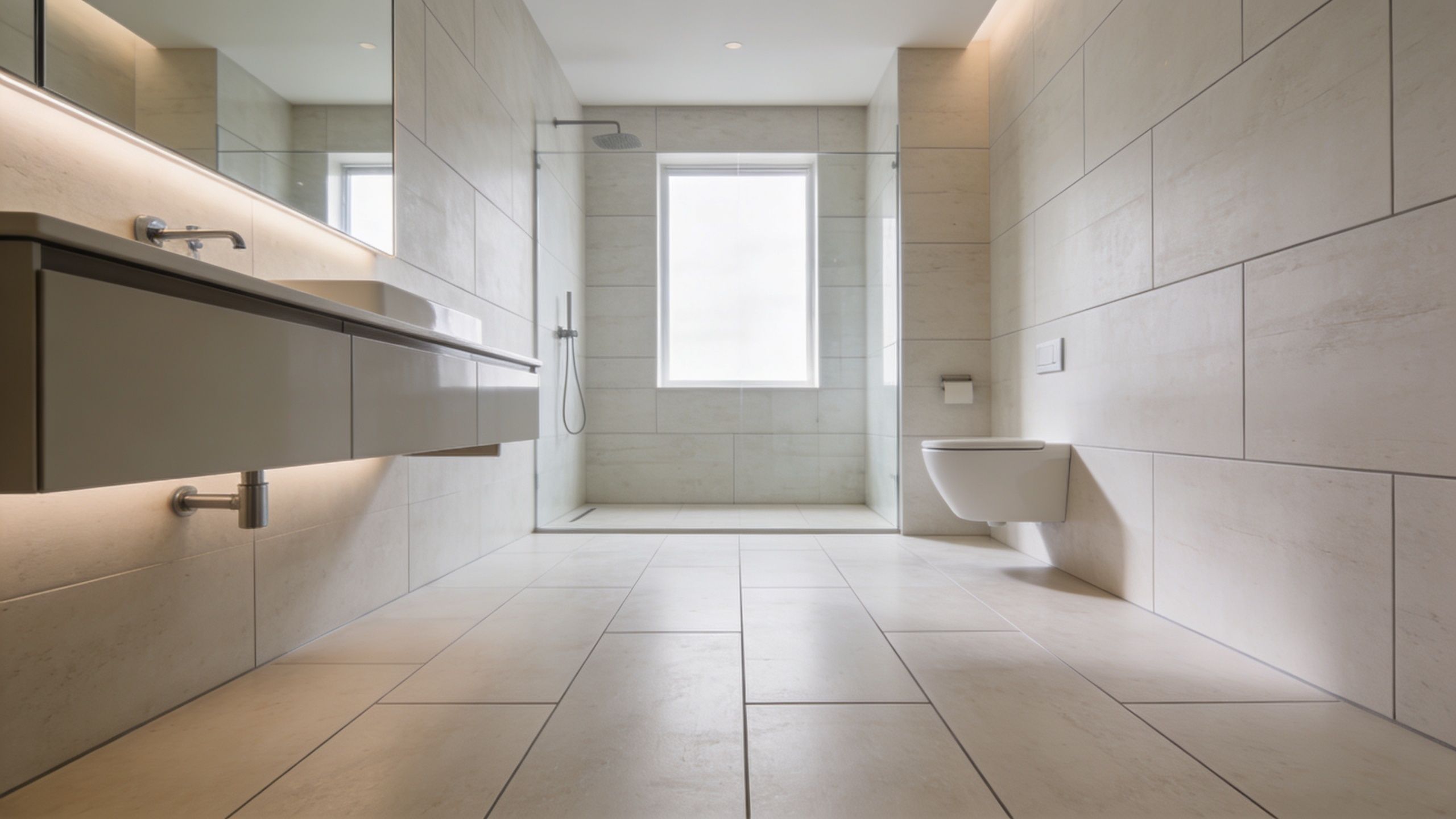
In many Massachusetts bathrooms, especially in the 50 to 80 square foot range, larger tile gives a cleaner result than homeowners expect. A 12x24 or similar format usually makes a small floor look less busy because there are fewer grout joints breaking up the surface. It also cuts down on grout maintenance. Belk Tile notes that larger bathroom tile can reduce visible grout lines substantially in smaller rooms, which is one reason it often feels more open in practice: Belk Tile's guide to choosing bathroom tile size.
I install a lot of 12x24 porcelain in towns like Newton, Wellesley, and Wayland for a reason. It suits the scale of many older New England bathrooms without making the room feel crowded with pattern. On a main floor, it usually gives you a calmer visual field and fewer joints to scrub.
That does not mean bigger is always better.
Large-format tile needs a flatter substrate and tighter layout planning. If the floor is out of level or the walls are wavy, a bigger tile can telegraph those problems fast through lippage, awkward cuts, or slivers at the perimeter. In an older Massachusetts home, that matters. Many bathrooms here are not perfectly square, and good prep often decides whether large tile looks crisp or frustrating.
Shower floors are the usual exception. Small mosaic tile is still the practical choice because it follows the slope to the drain more easily and gives wet feet more grip through additional grout joints. A common combination is large-format porcelain on the main bath floor and shower walls, then mosaic on the shower pan. It is a good-looking mix, and it also solves a real installation issue.
Layout matters as much as size. The same tile can read very differently depending on how it is set.
- Stacked layout: Clean, orderly, and a good fit for modern bathrooms
- Brick or offset layout: Softer and more familiar, especially in transitional homes
- Vertical subway layout: Draws the eye up and can help a lower ceiling feel taller
- Herringbone: Adds movement and detail, but it also adds more cuts, more labor, and more visual activity
Older colonials in places like Wayland or Wellesley often benefit from simpler layouts that respect the architecture. A newer build can usually carry a stronger pattern without looking overdone. The right choice depends on what else is happening in the room, including vanity style, wall color, trim, and how much visual texture the space already has.
Rectified tile is worth asking about if you want tight, even grout joints. The edges are mechanically finished, so the lines can stay more consistent across the installation. That cleaner look appeals to many homeowners, but it also leaves less room to hide an uneven floor or wall. Good results come from planning the layout before the first tile is set, checking where cuts land at the doorway, under the vanity, and at the back wall, then adjusting so the room looks balanced from the entrance.
That is the part homeowners rarely see on a sample board, but it is what makes the finished bathroom look intentional.
Essential Details for Safety and Durability
A bathroom floor in Massachusetts has a harder job than many homeowners expect. It has to stay safe with wet feet, hold up to daily humidity, and keep performing through long heating seasons, tracked-in moisture, and constant cleaning. Good tile choices account for all of that before color and pattern take over the decision.
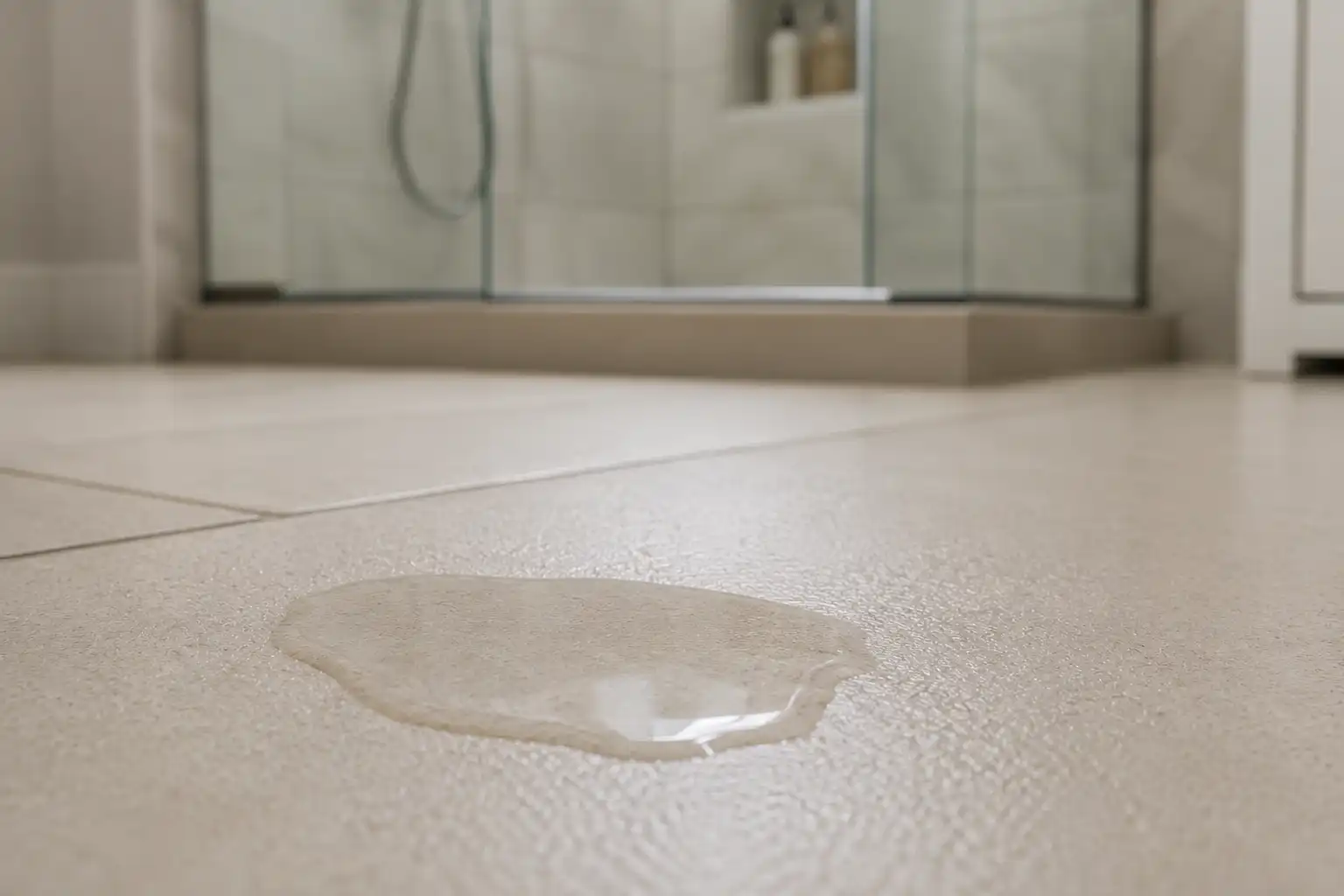
DCOF matters on bathroom floors
For bathroom floors and other wet walking surfaces, slip resistance needs to be part of the buying process. In practice, that means checking the tile's DCOF rating before you place an order, not after the boxes arrive. Massachusetts homeowners will often hear the 0.42 wet DCOF benchmark tied to ANSI A137.1 in remodeling discussions, including this Massachusetts bathroom tile discussion on Houzz.
I tell homeowners in Wellesley the same thing all the time. A tile can look clean and expensive on a sample board, then feel sketchy the first winter morning someone steps out of the shower in socks or bare feet. That is not a design problem. It is a product selection problem.
Finish affects both safety and maintenance
Finish is where the trade-offs get real.
Glossy tile works well on walls because it throws light around the room and wipes down easily. On a floor, especially near a tub or shower, it can become slick faster than people expect.
Matte tile is the safe middle ground for many bathroom floors. It usually gives better footing than glossy tile and does a better job hiding water spots, dust, and the light mineral film that shows up over time in many New England homes.
Textured tile gives more traction, which is why it is common on shower floors and family bath floors. But there is a limit. If the surface is too aggressive, dirt settles into the texture and routine cleaning gets harder. The best textured tiles feel secure underfoot without turning every mop day into extra scrubbing.
A good bathroom floor should still feel stable when the room is wet and the heat has been running for months.
FinishBest locationMain benefitMain cautionGlossyWalls, accentsReflects lightCan be slippery on floorsMatteMain floorsBetter grip and hides daily residueLess light reflectionTexturedWet floors, shower floorsMore tractionCan hold grime if too rough
If you are considering full-surface tile on walls too, this look at tile drenching for Massachusetts bathrooms can help you balance style with practical surface choices.
A short visual explainer can help if you want to see how installers think about tile behavior in wet spaces.
Ask for the spec sheet before you buy
Do not buy bathroom floor tile off appearance alone. Ask for the product data sheet and confirm where the tile is approved for use. Check slip resistance, recommended applications, material type, and whether the manufacturer lists it for wet floors or shower areas.
This step saves money.
The most expensive bathroom tile mistake I see is not a color choice. It is installing a wall tile on a floor, using a polished finish where traction matters, or choosing a product that looks great on day one and becomes a maintenance problem by year two. In a New England home, durable usually means easier to live with for the long haul.
Finalizing Your Look with Grout and Trim
Good tile work can still look unfinished if the grout and edge details are wrong. These choices are smaller on paper, but they shape the final result every time you walk into the room.
Grout color changes the entire read of the tile
Grout isn't filler. It's part of the design.
If you choose a grout color close to the tile, the surface reads more continuously. That's usually the right move when you want a calm, larger-looking bathroom. If you choose contrast, the pattern becomes more visible. That can be great with subway tile, herringbone, or a feature wall, but too much contrast on a busy floor can feel choppy.
Use this rule of thumb:
- Matching grout: Better for uniform, modern, quieter spaces
- Contrasting grout: Better when you want the tile pattern to stand out
- Mid-tone grout: Often the safest choice for family bathrooms because it hides daily wear better
Epoxy grout earns its keep in wet areas
In showers and on floors, epoxy grout is usually the more durable choice. It resists water and staining better than standard cementitious grout, and it holds up well in humid bathrooms where maintenance can get annoying fast.
That doesn't mean every bathroom needs the same grout everywhere. A decorative wall in a lower-stress area may allow more flexibility. But in the places that get splashed, stepped on, and cleaned often, choosing the more resilient option usually pays off in less frustration later.
The grout line is where many bathrooms start to look older than they are. Choosing the right grout from the start prevents a lot of that.
Trim separates custom work from patchwork
Tile edges need a plan. If the edge detail is ignored until the end, the install can look improvised even when the tile itself is excellent.
Today, many bathrooms look cleaner with slim metal profiles rather than bulky bullnose pieces. A profile gives the edge a deliberate finish, protects exposed corners, and fits the sharper look many homeowners want. It's especially useful around shower returns, niche edges, and wainscot transitions.
If you're leaning toward a full wrapped look on walls, you may also like the design approach behind tile drenching in Massachusetts bathrooms, where the tile, grout, and overall palette work together as one continuous visual field.
Budgeting Your Project and When to Hire a Pro
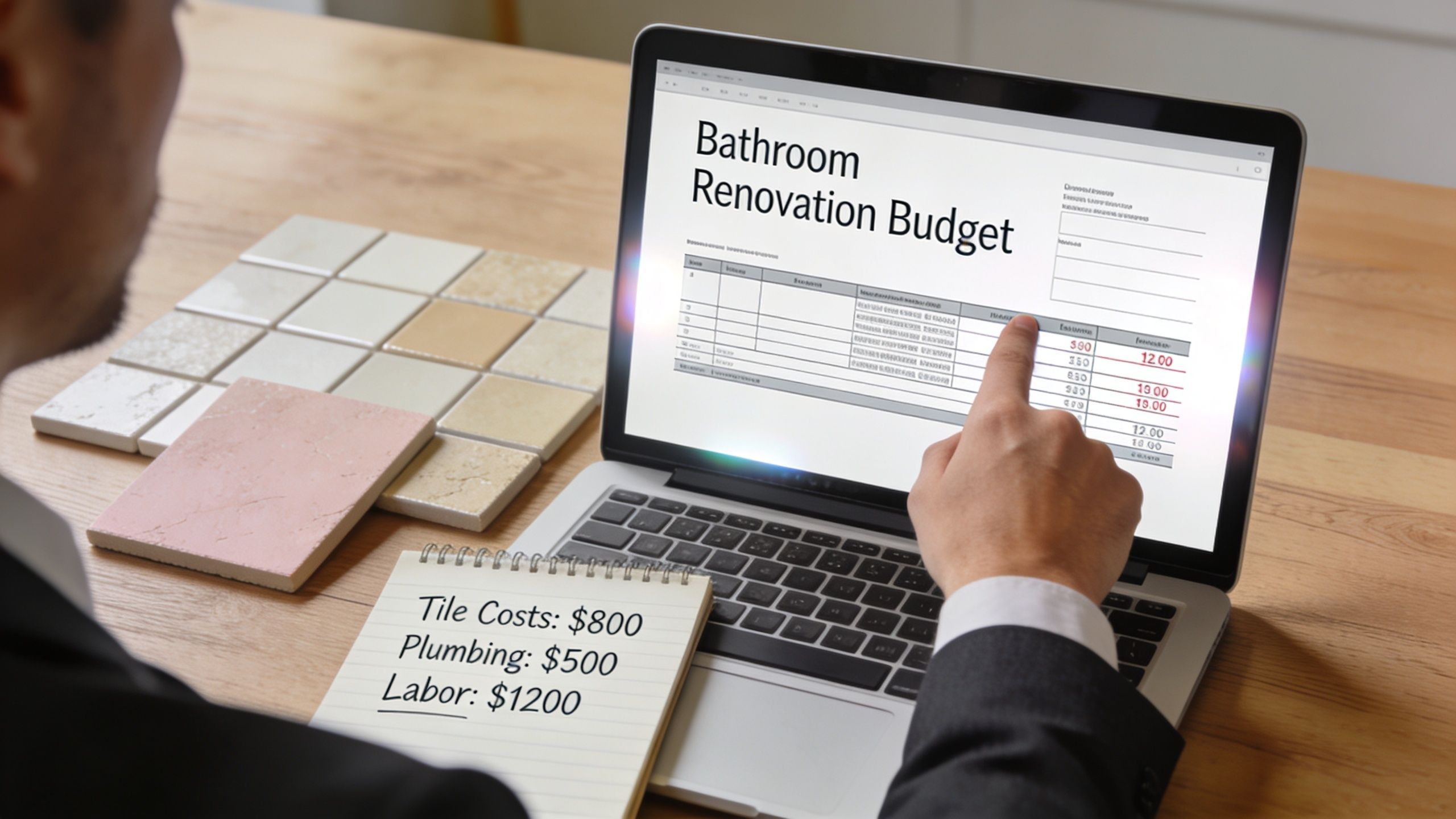
A Wellesley homeowner will often start with a tile price per square foot and assume the rest of the budget will scale from there. It rarely works that way. In bathroom work, the labor, prep, and waterproofing usually decide whether the project stays sound for 15 years or starts showing trouble in two.
Build the budget around the full system
Tile is one cost. The assembly under it is another.
In Massachusetts, older homes often come with uneven floors, patched plaster, out-of-level walls, and subfloors that need more correction than expected. That matters because a bargain tile can still turn into an expensive install if the room needs flattening, waterproofing, specialty trim, or extra cutting around a tight footprint.
A realistic bathroom tile budget usually includes:
- Demolition and disposal: removing old tile, backer, mud bed, and hidden damaged material
- Substrate prep: correcting flatness, stiffness, and surface condition before any tile goes in
- Waterproofing and moisture management: especially in showers, tub surrounds, and floor areas that see regular splash
- Setting materials: mortar, membranes, sealants, movement joints, grout, and transition pieces
- Waste and attic stock: extra tile for cuts, breakage, and future repairs, especially if the product gets discontinued
- Labor for layout and finish work: niches, outside corners, valve cuts, benches, and clean edge details take time
That is why the lowest tile price does not always produce the lowest project cost. Some tiles save money at purchase and add it right back during installation or maintenance.
Long-term value matters more than shelf price
For a primary bath, I usually tell homeowners to judge tile by service life, cleaning demands, and replacement risk, not just by the carton price. Porcelain often wins that comparison in New England bathrooms because it handles moisture, temperature swings, and daily wear with fewer headaches over time.
One source often cited for bathroom tile ROI is Werner Harmsen's summary of bathroom tile selection and ROI, but if you are making a real budget decision, the safer takeaway is simple: durable, low-maintenance tile tends to hold value better than materials that chip more easily, absorb more water, or need more upkeep. That is especially true in a family bath that gets heavy use.
If porcelain is on your shortlist, this guide to porcelain tile installation for bathrooms will help you understand where the labor cost goes and what proper installation should include.
Hire a pro when failure would be expensive
A powder room floor is one level of risk. A shower is another.
Bring in a professional tile installer when the job includes any of the following:
- A shower or tub surround: failures usually come from waterproofing and substrate errors, not from the tile itself
- Large-format tile: bigger pieces need flatter surfaces and tighter lippage control
- Natural stone: stone has more variation, more weight, and less tolerance for sloppy setting work
- Heated floors: the assembly needs to protect the heating system and support the tile properly
- Older homes: framing movement, out-of-square rooms, and layered past renovations can complicate the install fast
- Slip-resistance or code concerns: floor tile still needs to meet the right performance standard for wet conditions, including DCOF where applicable
Professional installation also buys planning. A good installer will spot floor deflection, bad wall plane, weak corners, poor drain placement, and layout problems before they get buried under finished tile.
Most expensive bathroom tile failures start underneath the surface. That is the part worth paying for.
Frequently Asked Questions About Bathroom Tile
Here are direct answers to the questions homeowners in Wellesley, Newton, Needham, and nearby towns ask most often.
FAQ Section
QuestionAnswerWhat is the best tile for bathroom floors?For most homes, porcelain is the strongest all-around choice because it handles moisture well, wears well, and gives you many finish options for safer floors.Can I use the same tile on bathroom floor and walls?Sometimes, yes. It works best when the tile is rated appropriately for floor use and the scale looks right in both places. Many bathrooms look better when the shower floor uses a smaller mosaic for traction.Should bathroom floor tile be matte or glossy?Matte is usually the safer choice for bathroom floors because it tends to provide better everyday grip and hides water spotting more easily. Glossy tile is often better reserved for walls and accents.Are large tiles good for small bathrooms?Yes. Large-format tile often works very well in compact bathrooms because it reduces grout lines and creates a cleaner visual field.What grout color is easiest to live with?A mid-tone grout is usually the most forgiving. Very light grout can show staining, and very dark grout can sometimes make every line stand out more than you want.Is natural stone a bad idea in a bathroom?Not at all, but it's a commitment. Choose it because you want the look and you're comfortable with more care, not because you expect it to be low maintenance.Do I need to worry about code when picking bathroom tile?Yes, especially on floors in wet areas. Slip resistance matters, and code compliance should be checked before ordering material.How do I choose tile for bathroom remodels in older Massachusetts homes?Focus on floor safety, moisture performance, and layout first. Older homes often benefit from simpler patterns, practical finishes, and careful planning around uneven walls and tighter footprints.
If you're planning a bathroom remodel and want help choosing tile that will look right and last in a New England home, Sunny Day Pro Services can help. Their Massachusetts team handles bathroom tile installation with the kind of planning, workmanship, and clear communication that busy homeowners in Wellesley, Newton, Needham, Weston, and Wayland appreciate. Request a quote, talk through your material options, and get a bathroom that feels finished for the right reasons.

