
Best Mop That Separates Dirty Water for Clean Floors
Find the best mop that separates dirty water for cleaner tile and grout. Compare spin, dual-tank, and self-cleaning systems for busy homeowners.
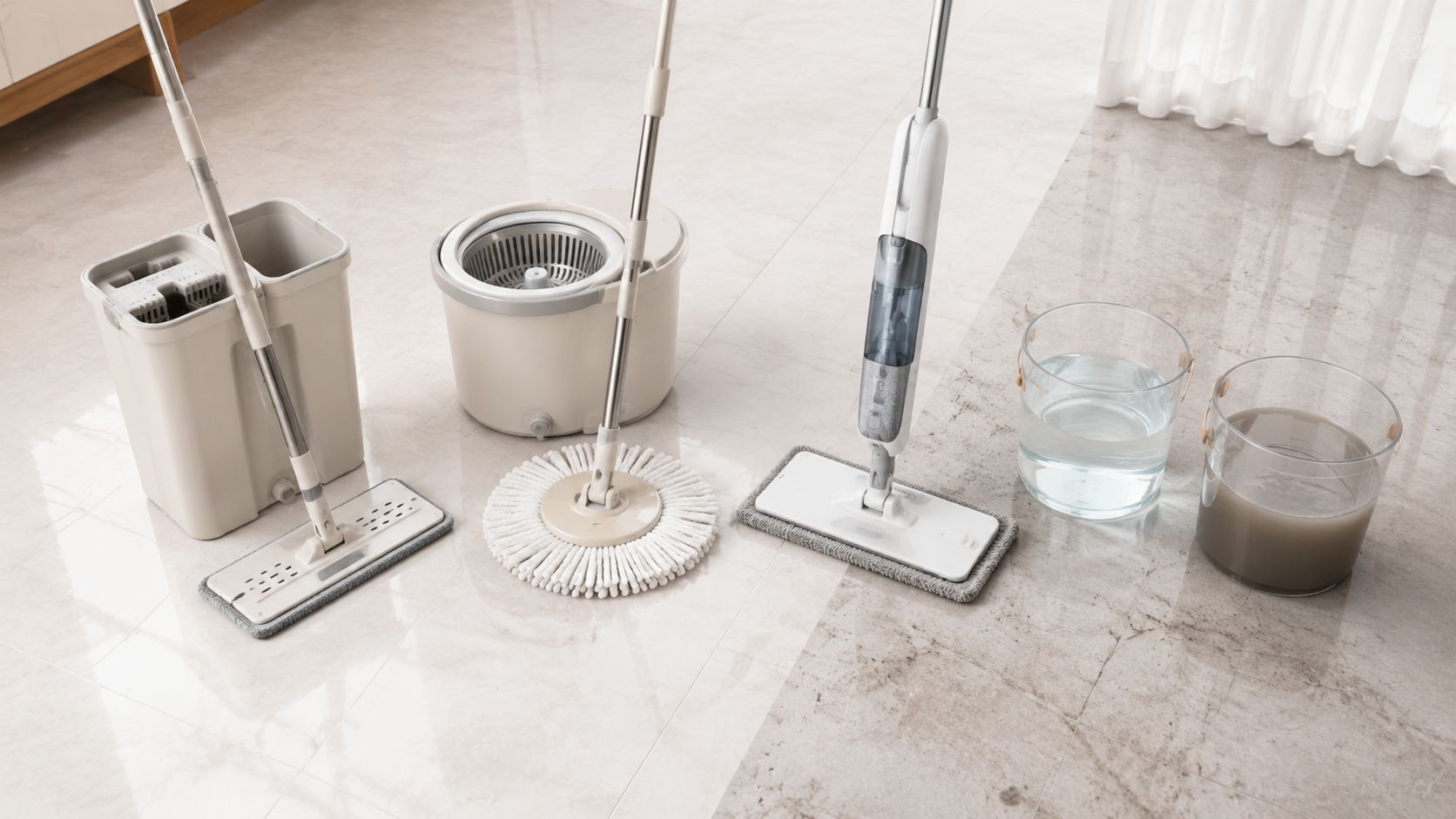
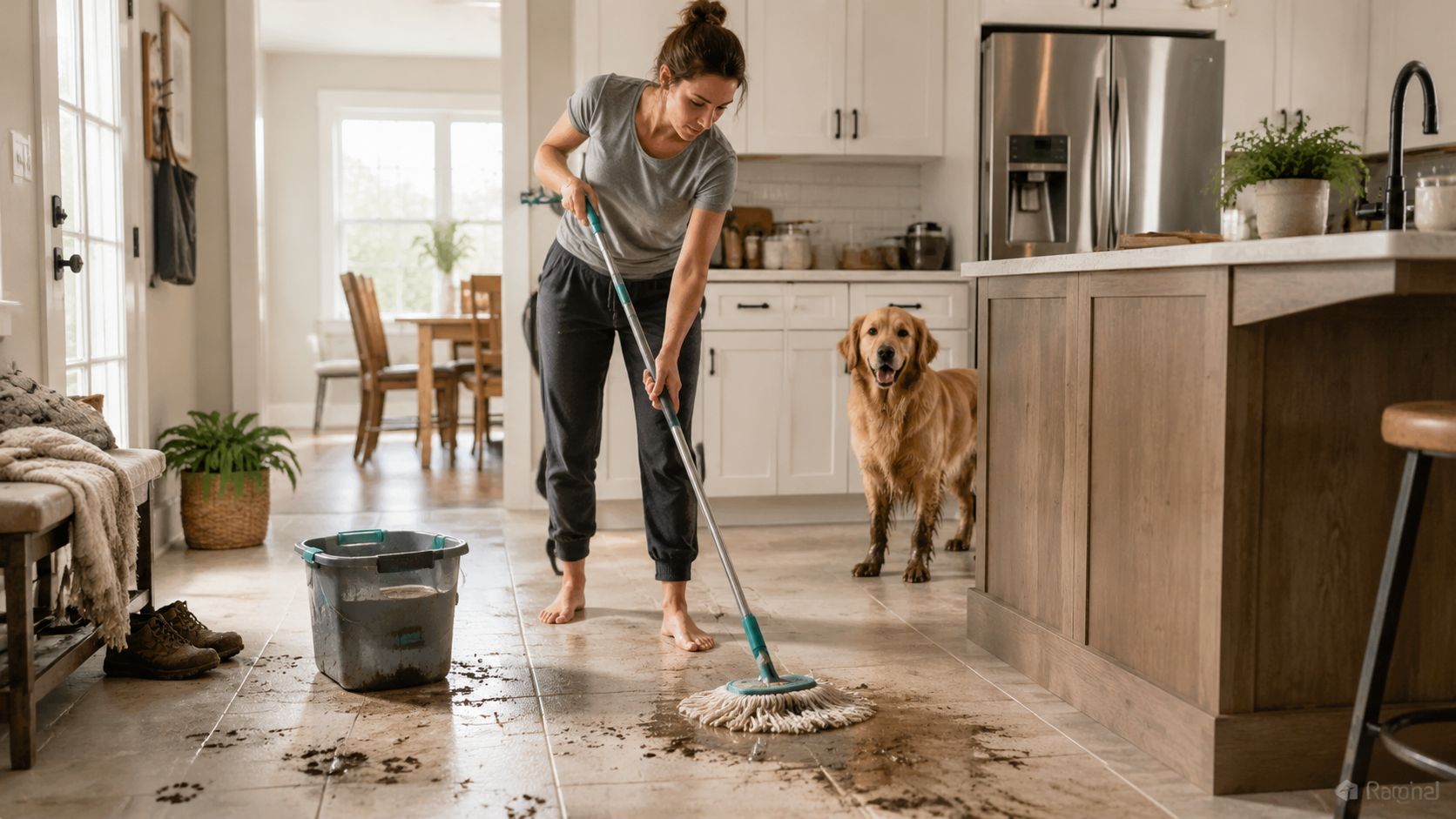
You're halfway through mopping the Massachusetts kitchen when you notice the rinse water has turned gray. The mop head goes back into that same bucket, then across the tile again, carrying yesterday's tracked-in grit, muddy paw prints, and kitchen grease with it. The floor looks wet, but it doesn't look clean.
The best mop that separates dirty water isn't automatically the most expensive electric model. It's the system that keeps rinse water from returning to your floor without creating more maintenance than your household can tolerate. For some homeowners, that means a self-cleaning suction mop. For others, a dual-tank system or even a simple two-bucket setup is the smarter buy.
Table of Contents
- Match the system to floor area
- Check the physical and storage demands
- Set the budget by value, not features
- Is a more expensive suction mop always better?
- How long do the main components last?
- Does separation work with sealed grout?
- Can a suction mop replace traditional mopping?
Why Dirty Water on Your Floor Is the Core Problem
A standard mop can spread contamination instead of removing it. The head lifts soil from one area, returns to a shared bucket, and carries diluted grime into the next section. By the clean side of the kitchen, that water may hold grit, grease, bacteria, and leftover cleaning-product residue.
The result is more than streaks. Fine particles settle into grout lines, grease leaves a dull film, and excess moisture gives porous flooring more chance to absorb residue. The floor may feel freshly washed while a thin layer of redistributed soil remains.
The engineering problem is simple
Water separation has one job. Clean solution should reach the mop head, while wastewater should stay away from it. A dual-reservoir design creates separate routes for both. O-Cedar describes its RinseClean mop as a 2-tank system, with one tank for clean water and another for dirty water.
This design addresses a problem that has shaped mop development for generations. Thomas W. Stewart patented a self-wringing mop in 1893, reducing the need to handle saturated mop heads by hand and advancing mechanical wringing systems, as described in this history of mop development. Modern dual-chamber and spin-mop designs pursue the same basic goal, separating rinsing from the clean solution.
Practical rule: Spinning water from a mop head controls moisture, but it does not necessarily separate dirty water. Look for a dedicated clean-water reservoir and wastewater path.
That distinction affects the right purchase. A single-bucket spin mop can wring well, yet its water still becomes contaminated unless the design includes a separate reservoir. Separation can reduce how much grime returns to the floor, but it does not replace sweeping first, changing pads, or treating grout carefully. For a small, lightly soiled area, a simpler mop with frequent water changes may take less time. For muddy entryways, pet traffic, and larger tile floors, separation earns its extra maintenance.
Three Mop Systems That Separate Clean and Dirty Water
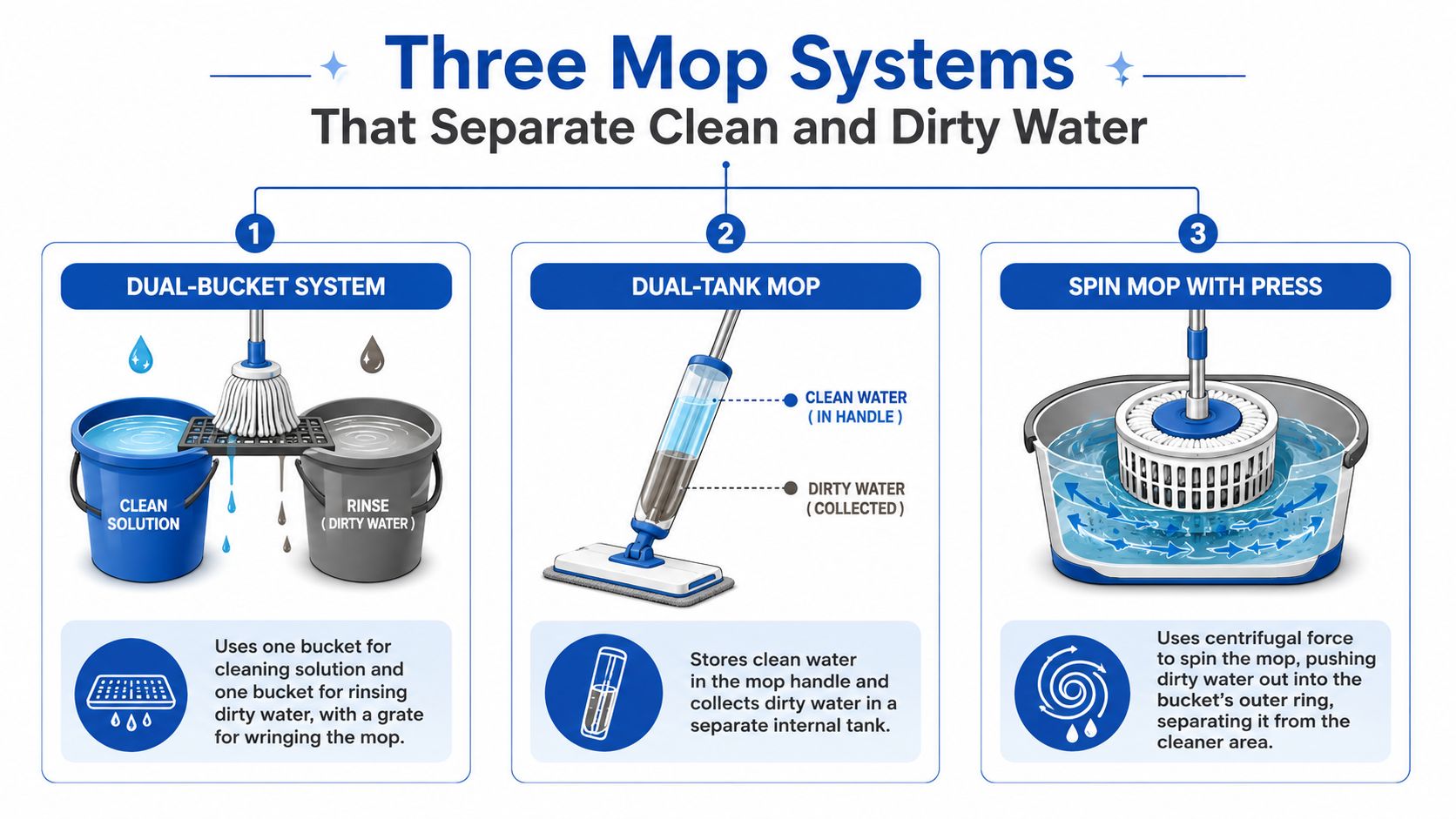
Most products fall into three mechanical categories. Learn the category first, then judge the individual mop. Marketing names vary, but the underlying designs are easier to understand.
Dual-bucket systems
Think of this approach as a kitchen sink with separate zones. One chamber holds clean solution, while another receives rinse water. A divider, wringer, or grate keeps the two jobs apart.
You manually load the mop with fresh solution, move it to the rinse side, wring it out, and return it to the clean side. This arrangement is straightforward and dependable, but you still handle buckets and move water around the room. O-Cedar's RinseClean system is a clear example of a two-tank bucket architecture, not a filter that purifies one shared tank.
Spin and centrifugal separators
A spin mop works like a salad spinner. A foot pedal or hand-operated mechanism rotates the mop head and flings water into a separate basin or outer section of the bucket. The mop returns damp rather than saturated.
The important distinction is whether the spinning basket sends wastewater into an isolated chamber. A widely cited account credits Taiwanese inventor Hsiang Jen Yao with patenting an original spin mop in 1999, using a foot-pedal spinning basket and a two-bucket structure, according to this history of the original spin mop. A basic single-bucket spin mop still wrings water out, but it doesn't necessarily isolate soil.
Self-cleaning suction mops
This design behaves more like a wet-dry vacuum. The mop dispenses fresh solution, agitates the floor, and pulls dirty liquid through a suction channel into a separate sealed tank.
The advantage is direct recovery. Instead of pushing a wet pad over the floor after rinsing, the machine collects wastewater as it cleans. The drawback is more hardware, more weight, and more parts to rinse after use. O-Cedar markets its H2prO Flat Mop as a dual-tank system with 100% clean and dirty water separation, while the H2prO product page makes a stronger complete-separation claim for that system.
How Spin, Dual-Tank, and Self-Cleaning Mops Compare
The best category depends on what you hate most. If you hate contaminated rinse water, prioritize separation. If you hate cleanup after cleaning, avoid a system that creates a tank, filter, roller, and charging routine.
| Criterion | Dual-Bucket | Spin / Centrifugal | Self-Cleaning Suction |
|---|---|---|---|
| Hygiene | Strong separation when clean and rinse water stay isolated | Better than a shared bucket when the basin has a dedicated dirty-water section | Strongest control because wastewater is pulled into a separate tank |
| Drying time | Depends heavily on how well you wring the mop | Usually good because spinning reduces water held by the pad | Usually fastest because the machine recovers liquid during cleaning |
| Physical effort | Highest, since you move, rinse, and wring manually | Moderate, with the mechanism handling much of the wringing | Lowest during mopping, though tanks and rollers need service afterward |
| Storage footprint | Requires bucket space, sometimes more than one container | Requires a full bucket and spinner | Requires the machine, charging area, tanks, and accessories |
| Upfront cost | Usually the least expensive approach | Middle ground for many households | Generally the most expensive category |
Dual-bucket verdict
Choose a dual-bucket setup if you want reliability, low equipment complexity, and control over solution strength. It's the sensible choice for a homeowner who doesn't mind hands-on cleaning and wants a system that can handle a large, dirty floor without depending on a battery.
Spin-mop verdict
Choose a separated spin mop if you want a practical compromise. You get cleaner rinsing and controlled moisture without the full weight and maintenance of a suction machine. You'll still lift a bucket, manage a mop head, and clean the spinning basket.
Suction-mop verdict
Choose self-cleaning suction if hygiene and fast drying matter more than purchase simplicity. Neutral testing gave the Philips OneUp 3000 Series Electric Mop an 87/100 score, praising its clean and dirty water separation and maneuverability, while also noting that its dirty-water tank needs frequent emptying in this expert mop roundup. That caveat is the trade-off many reviews underplay. The machine may reduce floor-side contamination, but you still have to service the wastewater tank.
Performance on Tile and Grout Where It Matters
Tile exposes a mop's weaknesses quickly. Smooth ceramic and porcelain usually tolerate controlled damp cleaning well, while grout lines reveal whether the mop removes soil or wets it.
A separated spin mop gives you cleaner rinse water, but its pad still crosses the floor and can push moisture into grout. A dual-tank system keeps clean and dirty water apart, yet an overloaded pad or excessive solution can still leave gray water behind. Suction systems recover liquid from the surface, giving them an edge when faster drying and less residue matter.
| System | Ceramic Tile | Porous Grout | Stuck-On Grime | Drying Time |
|---|---|---|---|---|
| Dual-bucket | Effective with controlled moisture and frequent rinsing | Depends on wringing and pad condition | Requires brushing or pretreatment | Moderate |
| Spin / centrifugal | Good for routine soil and damp wiping | Cleaner rinse helps, but the pad can still wet the joints heavily | Manual pressure and a scrub tool may be needed | Good when properly spun |
| Self-cleaning suction | Strong for routine cleaning and liquid recovery | Better surface recovery, but it cannot reverse absorbed discoloration | Needs pretreatment or agitation for bonded soil | Often fastest among the three |
Smooth tile versus textured tile
On smooth tile, a microfiber pad collects fine dust and residue without flooding the surface. Textured porcelain and slate-like finishes are harder. The pad can pass over low spots while embedded dirt remains. Suction improves liquid pickup and contact drying, but it does not scrub every recess.
For routine tile care, measure the cleaning solution and make overlapping passes. Follow this guide to the best way to clean tile floors when the floor needs more than a quick damp pass.
Grout needs mechanical action
Water separation does not dissolve sticky spills, remove cured film, or repair etched grout. Pre-spray greasy kitchen traffic, let the cleaner work according to its label, then use a stiff grout brush where needed. For hazy grout, pad texture and agitation matter more than tank design.
Sealed grout works with all three systems when moisture stays controlled. Unsealed grout absorbs whatever liquid the mop leaves behind, even when that liquid began clean. Choose suction for quicker recovery on textured or heavily used tile. Choose a simpler mop with frequent water changes when the floor is smooth, lightly soiled, and you want less equipment to clean after the job.
Maintenance and Daily Upkeep for Busy Households
A mop earns its place in a busy Massachusetts home only if cleanup stays manageable after the floor dries. Water separation reduces dirty-water reuse, but it adds tanks, filters, rollers, or bucket parts to wash. Choose the system whose upkeep matches your schedule, not the one with the most features.
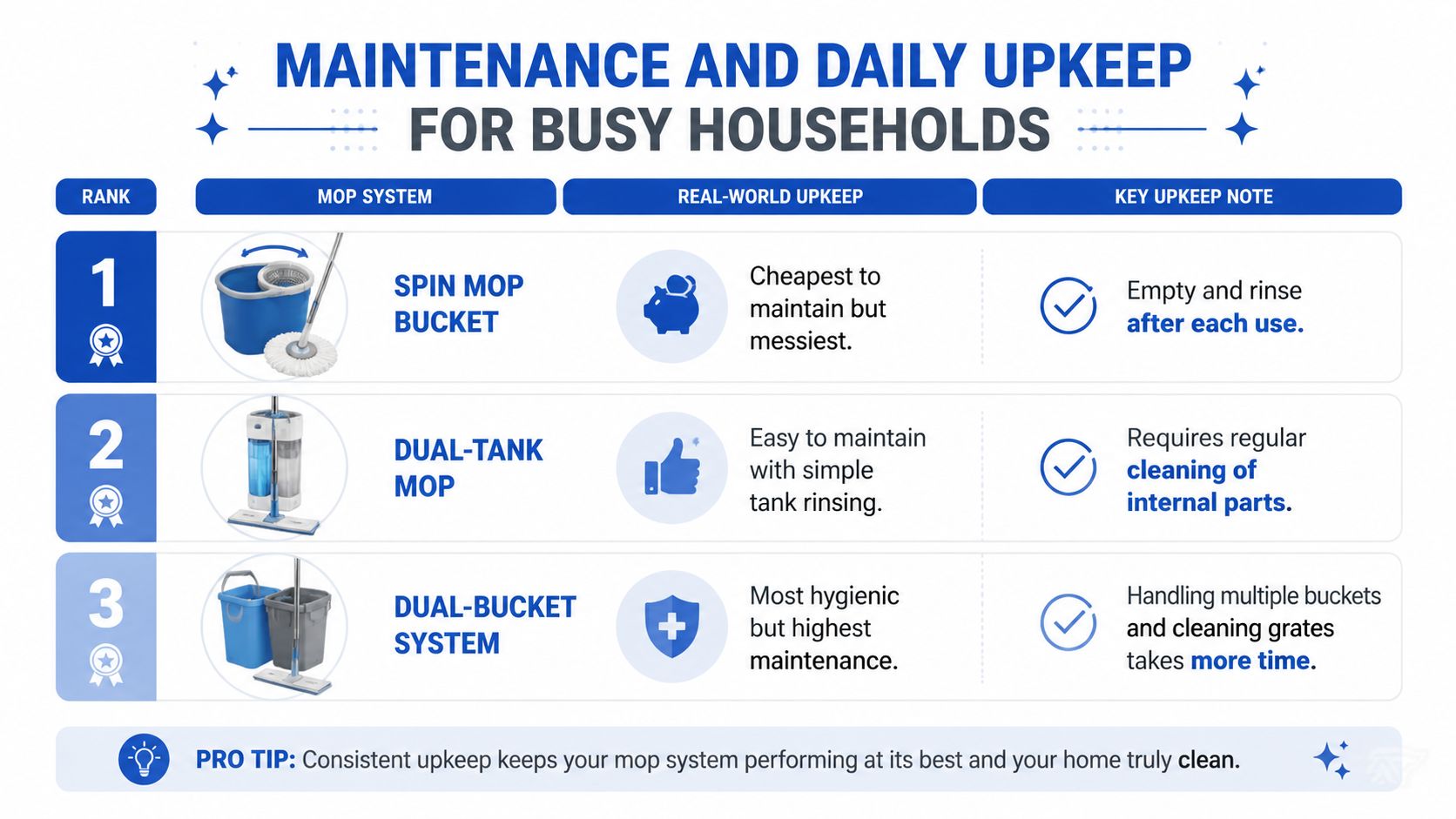
A separated spin bucket is simple and dependable, yet it creates the most exposed mess. Hair and grit collect in the spinner, standing water can develop an odor, and the microfiber head needs regular laundering. A dual-tank mop keeps clean and dirty water apart, but you still must refill the clean tank, empty the dirty tank, and rinse internal parts.
Rank the upkeep before you buy
Spin mop: Pick this for low equipment complexity and straightforward bucket care. Empty and rinse the bucket after use, remove hair from the spinner, and launder the microfiber head regularly. It suits homeowners who prefer a basic system and do not mind handling a bucket.
Dual-tank mop: This is the practical middle choice. Refill the clean tank as needed and empty the dirty tank after every session. Rinse internal filters and channels on a regular schedule, because trapped wastewater can create odors.
Self-cleaning suction mop: Choose it when easier floor cleaning justifies daily maintenance. Empty and wash the dirty tank after every session, rinse the roller, clear the suction path, and keep the battery charged. Its cleaning cycle reduces hands-on scrubbing, not the need for post-use care.
The mop that takes two minutes longer to maintain may be the one you keep using.
Wash microfiber pads apart from heavily soiled laundry when practical. Skip fabric softener, since residue can reduce absorbency. Sunny Day Pro Services also covers practical care in its guide on washing microfiber cloths.
Check replacement support before purchase. Confirm that compatible pads, rollers, filters, and seals are sold, and that you can remove them without tools. A low-cost mop with unavailable parts becomes inconvenient and expensive to keep running. For lightly soiled smooth floors, frequent water changes with a simpler mop may beat a separation system that demands more daily care.
Buying Criteria That Match Your Home and Routine
Start with the cleaning day you dislike, not the quick spill you can handle with any spray mop. The right choice depends on floor area, flooring, storage, mobility, and how much post-cleaning care you'll accept.
Match the system to floor area
A small apartment or compact condo may not justify the weight, charging dock, and tank routine of a suction machine. A larger home can make repeated bucket rinsing feel tedious, particularly when several rooms need cleaning in one session.
Floor type matters just as much. Mostly smooth tile favors a roller or controlled microfiber system. Mixed tile and hardwood call for careful moisture control, which makes a dual-tank mop appealing. Homes with extensive grout should pair a mop with a separate scrub brush rather than expecting water separation to do the scrubbing.
Check the physical and storage demands
Measure the closet before buying. A full spin bucket may not fit comfortably in a narrow mudroom, while a cordless suction mop needs room for its charging dock and drying accessories.
Mobility changes the answer. Bad knees, back discomfort, and stairs between floors make heavy buckets less attractive. A lighter electric mop can reduce carrying and wringing, but examine the machine's weight with full tanks, not just its advertised empty weight. Noise matters too. Some suction models sound more like compact vacuums than quiet floor tools.
Set the budget by value, not features
A basic spin system is the lower-cost route. Dual-tank electric mops occupy a middle position, while suction systems command a higher purchase price because they combine dispensing, agitation, recovery, and battery-powered movement. The exact price varies by model and retailer, so compare replacement parts and warranty terms alongside the shelf price.
Your decision should survive Sunday's worst mess. If the mop handles dried dinner residue, pet traffic, and the full floor plan without exhausting you, it's worth considering. If it only looks convenient during a quick test on clean tile, leave it on the shelf.
When a Mop Is Enough and When to Call a Pro
Use the mop category that matches the job. A separated spin mop is sensible for small daily touch-ups, especially in a kitchen where you want controlled moisture without dragging out a heavy machine. A dual-tank mop fits weekly cleaning across medium and larger open floors, while a self-cleaning suction system makes more sense for frequent passes, quick drying, and households that don't want to push wastewater around.
Pets change the routine. Hair and muddy paw prints need frequent cleaning, and separation helps keep rinse water from becoming another source of redistribution. Use an appropriate enzyme cleaner for organic accidents, follow the product label, and remove solids before mopping.
Allergy-sensitive households may prefer a sealed wastewater tank because it limits direct contact with collected liquid. That doesn't eliminate the need to empty and rinse the tank, and it doesn't replace dust control, ventilation, or regular laundering of washable pads.
Know when the mop has reached its limit
A consumer mop is the wrong tool for grout haze that remains after repeated cleaning, post-construction film, or mold growth. Those conditions often require targeted chemistry, mechanical detail work, steam extraction, or surface evaluation. For guidance on equipment and deeper tile work, see tile and grout cleaning machines for home use.
Professional service can also make sense when the floor is large, heavily trafficked, or part of a move-in or move-out deadline. Compare a one-time professional cleaning with the cost and upkeep of buying a high-end suction mop. The cheaper option isn't always the one that consumes less time.
Call a professional when the problem is embedded in the surface, not sitting on top of it.
Common Questions About Water-Separating Mops
Is a more expensive suction mop always better?
No. A simple spin mop can outperform a much pricier suction unit for routine maintenance in a small home. Suction earns its keep when you value rapid drying, frequent cleaning, larger floor areas, or direct wastewater recovery. If you don't want to rinse tanks, filters, and rollers after every session, the added hardware may feel like a burden.
How long do the main components last?
Lifespan depends on use, cleaning habits, replacement availability, and the specific design. Spin heads wear as microfiber loses texture and absorbency. Dual-tank seals and valves can eventually leak or stop seating correctly. Suction systems add batteries, rollers, filters, and pumps, creating more possible service points.
Before buying, inspect the parts catalog. A replaceable head or roller is useful only if the manufacturer continues to sell it and the replacement is simple to install.
Does separation work with sealed grout?
Yes, sealed grout is generally more forgiving because it resists liquid absorption. Water separation can reduce the amount of dirty solution redeposited across the joints, but it can't repair grout that's etched, permanently discolored, or damaged. Use the least moisture that gets the floor clean, and use a brush when the joints hold embedded soil.
Can a suction mop replace traditional mopping?
It can replace traditional mopping for daily upkeep on sealed tile and similar hard surfaces. It won't replace heavy scrubbing for bonded grease, grout haze, construction residue, or unusual spills. Keep a separate brush and appropriate cleaner available for jobs that need agitation rather than more passes from the mop.
| Question | Short Answer |
|---|---|
| Is the highest-priced mop the best choice? | No. Match separation and recovery to your floor area and cleaning habits. |
| What should I inspect before buying? | Tank layout, replacement parts, roller or pad access, charging needs, and cleaning steps. |
| Does clean-water separation remove stains? | No. It reduces redepositing but doesn't replace pretreatment or scrubbing. |
| Which system suits a busy homeowner? | Suction for frequent low-effort cleaning, dual-tank for balance, and spin for simpler upkeep. |
If you're in Wayland, Newton, Needham, Wellesley, Weston, or a nearby Massachusetts community and your tile still looks dull after the right mop and routine, Sunny Day Pro Services offers recurring cleaning, deep cleaning, move-in and move-out service, and post-construction cleanup. Visit Sunny Day Pro Services to request a quote and choose a cleaning schedule that fits your home.

