
Best Vinyl Floor Cleaner Machine for MA Homes in 2026
Find the best vinyl floor cleaner machine for busy MA homes. Compare steam, spin, and scrubber options, plus safety tips and when to call a pro.
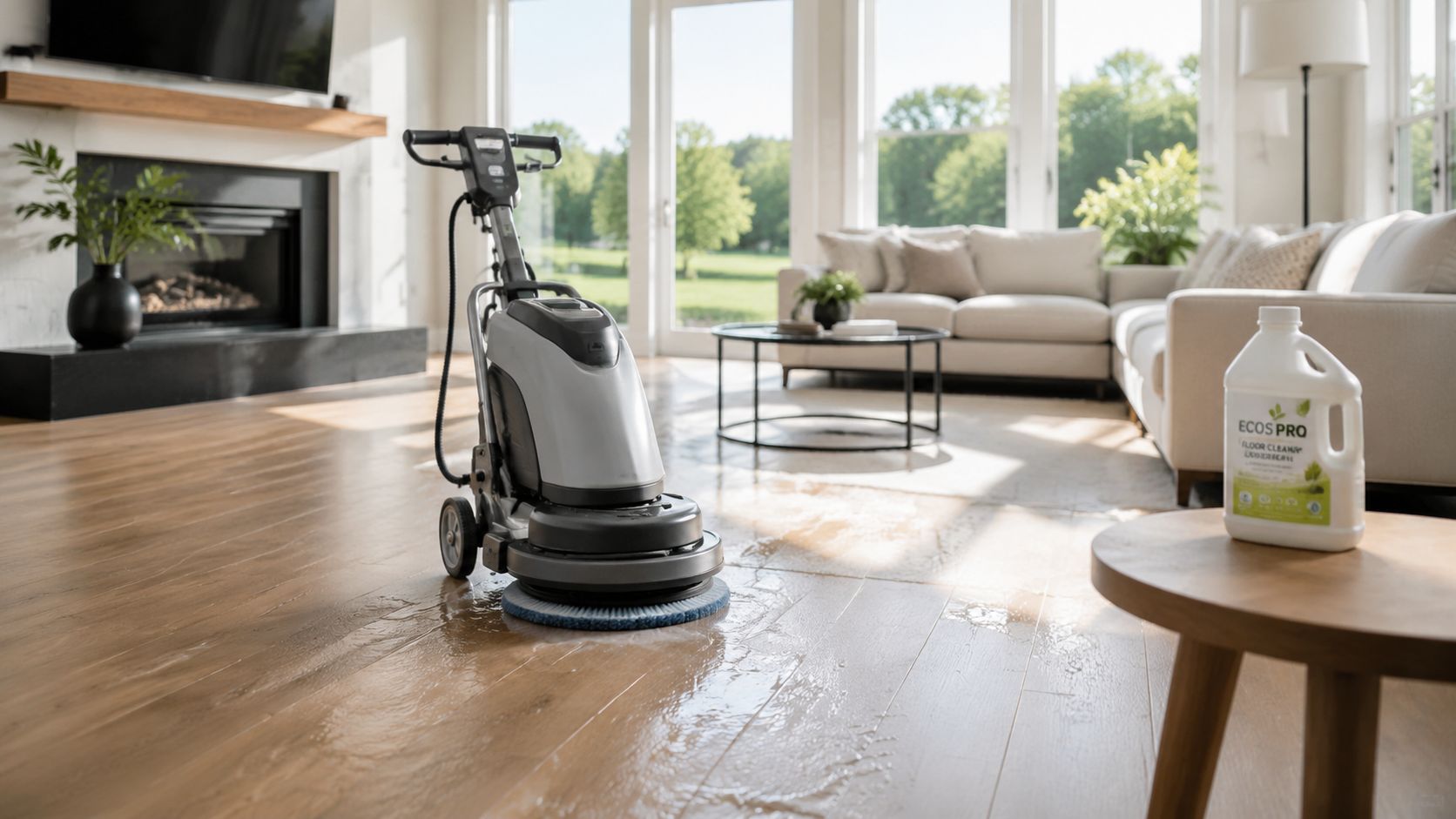
You're in the kitchen with a steam mop, the floor looks clean, and then you see it. Water is sitting in the plank seams on your LVP, and now you're doing the math in your head, wondering whether that “easy” cleaner just turned into an expensive problem. In a Massachusetts home, that's the moment the wrong machine shows its teeth, because vinyl doesn't forgive excess moisture, rough brushes, or harsh chemistry.
For most MA homeowners, the best vinyl floor cleaner machine isn't the one with the flashiest label. It's the one that leaves the least water behind, uses soft contact on the wear layer, and keeps the cleaner gentle enough for sealed vinyl. If you've got kids, a dog, muddy boots, or a busy kitchen that never really stays clean for long, this guide will help you pick a machine that protects the floor instead of wearing it down.
Table of Contents
- Steam mops
- Spin mops
- Upright wet/dry scrubbers
- Mini and handheld scrubbers
- Automatic and robotic scrubbers
- Moisture control
- Brush softness
- Suction and drying
- Tank design
- Noise, weight, and upkeep
- How I evaluate vinyl-safe machines
- What vinyl needs
What Counts as the Best Vinyl Floor Cleaner Machine
A Wayland homeowner knows how this goes. The steam mop looks harmless, the kitchen floor has a few muddy tracks, and the instinct is to blast them away fast. Vinyl seams do not care that the floor looks damp-cleaned. They care that moisture is being driven where it should not go, and that is how a simple chore turns into a repair problem.
The right machine for vinyl has to solve three problems at once. It has to keep water delivery controlled, avoid abrasive contact that can scratch the wear layer, and stay away from heat or chemistry that can dull or weaken the finish. Independent floor-cleaner testing focuses on how well a machine washes floors and how much water it leaves behind, which matters because vinyl can be damaged by excess moisture.
What vinyl actually needs
Vinyl, especially LVP and LVT, is durable in the right way. It handles daily life, but it still hates standing water, stiff bristles, and cleaners that leave a film. Dyson's hard-floor guidance points homeowners toward regular vacuuming to remove grit and microfiber-style wet cleaning that does not abrade the finish, and that matches how vinyl wears in real homes, where scratches usually start with dirt, not with water alone.
My rule in Massachusetts homes: if a machine leaves the floor looking wet enough to reflect overhead light for long, it is not the right daily tool for vinyl.
The real standard
I do not judge a vinyl cleaner by how aggressive it looks in a showroom. I judge it by whether it can clean a kitchen after a week of shoe grit, pet hair, and spilled coffee without flooding seams or scuffing the wear layer. The smartest buyers look for controlled liquid delivery, dual-tank systems, or self-cleaning designs, and they pass on steam-heavy machines as a default choice for vinyl.
Trusted Reviews' 2026 hard-floor roundup points to cleaners that handle dried-in stains quickly while still fitting sealed hard floors, which matches what busy homeowners want, speed without floor risk. That is the filter here. If the machine does not protect the floor first, it does not belong in a vinyl home.
If you are deciding whether to pair a machine with a finishing tool, this guide to home floor polishers and buffers helps separate safe maintenance from the kind of aggressive treatment vinyl does not need.
The Five Machine Types and How Each Performs on Vinyl
Steam mops
Steam mops are the first machine I'd cut from the shortlist for most vinyl floors. The heat and vapor can push moisture into seams, and that is the failure mode that shows up later, not right away. Older sheet vinyl with weak edges, or newer plank flooring with visible joints, does not need that kind of punishment.
They look fast because they strip grime quickly, but on vinyl, speed does not equal safety. The floor may look fine after the pass, then you start seeing cloudy areas, lifted edges, or a finish that never quite comes back. Steam is the wrong trade for vinyl in most homes.
Spin mops
Spin mops have one real advantage, they are easy to live with. In a smaller apartment, a condo, or a weekly refresh in a low-traffic home, a spin mop can do the job if you wring it hard and keep the pad only damp. It is plain, cheap, and easy to store.
The problem is control. A spin mop still depends on the person using it, and people usually use more water than they think. That works for a quick touch-up. It does not work as well for a floor that needs repeatable cleaning with very little guesswork.
Upright wet/dry scrubbers
If I had to point a busy family home with vinyl toward one machine category, I would start with upright wet/dry scrubbers with dual tanks and measured solution flow. They handle cleaning and dirty-water recovery in one pass, which is exactly what vinyl wants. They do the best job of balancing cleaning strength and moisture control.
They are also the most honest option. You feel the weight, hear the noise, and still have cleanup afterward, but the floor comes out cleaner with less standing water. For large vinyl areas, that trade-off usually makes sense. If you are comparing scrubbers with surface-finishing tools, the differences matter, and this home floor polisher and buffer guide is worth reading before you buy anything too aggressive.
Mini and handheld scrubbers
Mini-scrubbers shine in the spots that drive people nuts, like textured entryways, around kitchen islands, and along grout-like seams in vinyl-look flooring. They are not the main cleaner for an entire house, but they handle detail work where a bigger machine is awkward to maneuver.
I like them for spot cleanup, not as a replacement for the main routine. If you live in a smaller MA home and only need help with the kitchen, mudroom, or one hallway, a mini-scrubber makes sense. If you are trying to clean a whole first floor, it gets old fast.
Automatic and robotic scrubbers
Robotic cleaners are convenience tools, not judgment tools. They help between deeper cleans, especially in homes where crumbs, dust, and pet hair keep coming back, but they do not replace a real wet clean on vinyl. They are best treated as support for maintenance, not the final answer.
Here is the blunt version. If you want one machine that can be trusted to deep clean vinyl well, an upright wet/dry scrubber usually beats a robot. If you want hands-off touch-ups, a robot helps. If you want the floor properly cared for, a human pass still has to happen.
| Machine Type | Moisture Control | Vinyl Safety | Effort Level | Best For |
|---|---|---|---|---|
| Steam mop | Poor | Low | Low | Not recommended for most vinyl |
| Spin mop | Moderate if wrung well | Fair for light use | Moderate | Small homes and quick refreshes |
| Upright wet/dry scrubber | Strong | High when used correctly | Moderate | Large vinyl areas and busy homes |
| Mini or handheld scrubber | Strong for spot use | High for small jobs | Moderate | Edges, texture, and tight spaces |
| Automatic or robotic scrubber | Varies | Medium | Low | Light maintenance between deep cleans |
Five Specs That Decide Whether a Machine Is Safe for Vinyl
Moisture control
Start here. Vinyl fails faster from leftover water than from almost anything else, because moisture works into seams, edges, and transitions where people stop noticing it. A safe machine meters solution in a controlled way, pulls dirty liquid back fast, and leaves no visible film behind.
I look for a machine that gives you clear control, not vague promises. Separate clean and dirty tanks help, and a spray pattern that stays predictable is better than one that floods the floor in bursts. If you see pooling, the machine is already doing the wrong job.
Brush softness
Vinyl usually does not get damaged by one dramatic mistake. It wears down from repeated contact with stiff bristles, rough pads, and grit that gets dragged across the surface. Soft pads and microfiber are the right call because they clean without chewing up the wear layer.
Keep the contact points gentle. Smooth recovery paths, soft rollers, and microfiber wash materials belong on vinyl. Aggressive scrub heads, stiff rollers, and anything that looks built for concrete are the wrong tools for this floor.
Suction and drying
A machine does not need brute force. It needs to leave the floor dry fast enough that seams, baseboards, and entryways are not sitting wet while people keep walking.
That matters because vinyl should feel clean, not slick or tacky. Strong recovery cuts the chance of residue and shortens the time the floor stays vulnerable after cleaning. If two machines look similar on paper, I would pick the one that pulls moisture back more effectively.
Tank design
Dirty-water separation is not just a convenience feature. It keeps grime from getting spread back across the floor and makes each pass more trustworthy. A sealed dirty-water tank also keeps cleanup less miserable, which matters when the job has to happen after work and not turn into another chore.
The better the tank design, the less cross-contamination you get during the run. That is what protects vinyl in a real house, where floors pick up dust, kitchen residue, and tracked-in grit in the same day.
Noise, weight, and upkeep
The specs nobody brags about still decide whether a machine gets used. If it is too loud, too heavy, or annoying to rinse and reassemble, it will sit in the closet. That is why I tell homeowners to judge pads, batteries, solution compatibility, and cleanup time alongside cleaning performance.
A machine that is easy to live with wins. A machine that feels like a project loses.
For homeowners comparing vinyl, basement, or mixed-surface rooms, the floor material matters too. This basement flooring options guide helps when you are matching cleaning habits to lower-level spaces that may pick up more moisture and dirt.
How I evaluate vinyl-safe machines
I judge a machine by whether it protects the floor on a normal week, not whether it looks impressive in a showroom. The first question is simple. Does it keep water under control from the moment it sprays to the moment it gets picked back up? The second is whether the brush system stays gentle enough for repeated use without scuffing the wear layer. The third is whether the machine dries quickly enough that the floor can be walked on without leaving a sticky trail.
If a model fails any one of those tests, I move on. A flashy feature list does not protect vinyl.
What vinyl needs
Vinyl wants light moisture, soft contact, and fast recovery. It does not want a floor left damp, scrubbed with stiff bristles, or coated with thick residue that makes the surface feel gummy later. That is the standard I use in Massachusetts homes, where a machine has to handle real traffic without turning routine cleaning into damage control.
A good fit is usually the one that stays controlled in small daily messes and still handles bigger cleanups without oversoaking the floor. Keep the machine simple, gentle, and easy to dry out after use.
A machine that cleans well but is miserable to maintain usually loses the long game.
Matching the Machine to Your MA Home and Schedule
A small Wellesley condo and a Weston colonial need different tools, and the floor care should reflect that. In the condo, a light, easy-to-store machine and a steady weekly habit usually do the job. In the larger house, the cleaner has to cover more square footage, more foot traffic, and more mess without turning the task into a drawn-out project.
I judge the choice by one question, will you use it the right way every week? A microfiber mop still makes sense in plenty of homes, especially where the vinyl area is modest and vacuuming already happens on schedule. A cordless wet/dry machine earns its keep when the floor is larger, traffic is heavier, or the person doing the cleaning wants better results with less effort. A robot helps with upkeep, but it does not replace the main cleaner.
The schedule test
If your cleaning happens in short windows between work, school pickups, and weekend errands, the machine needs to be fast to grab, easy to fill, and simple to rinse. If setup feels like a chore, vinyl care gets pushed aside and the floor ends up getting spot cleaned until it starts to look worn.
That is why I also think about the room as a whole, especially in lower-level spaces. This basement flooring options guide is useful when you are matching your cleaning habits to rooms that collect more moisture and dirt.
A practical fit for different homes
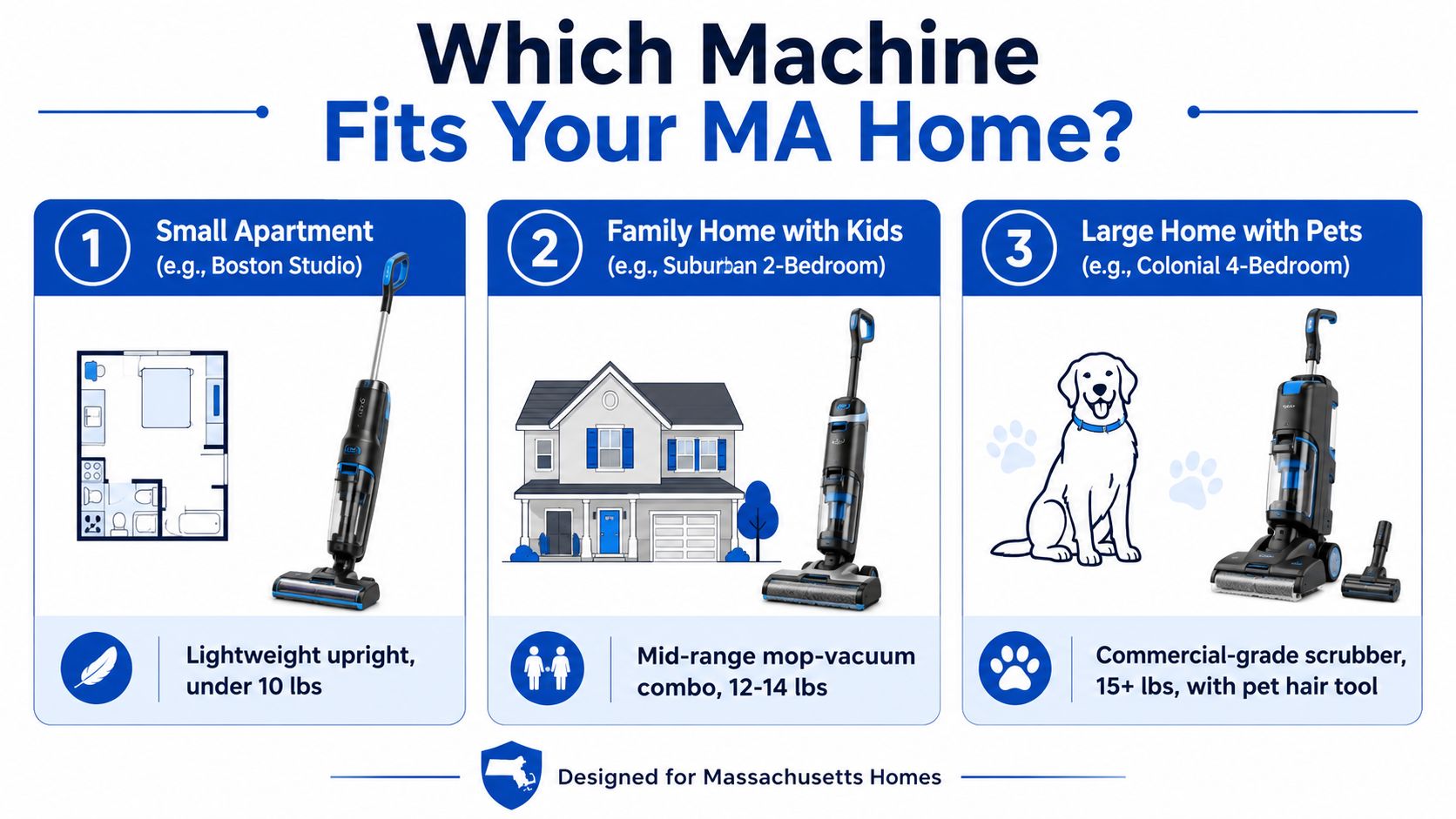
- Small apartment or condo: A microfiber mop or a light upright cleaner usually covers the need. A heavy machine is overkill if the floor area is limited and the routine is already tight.
- Family home with kids and a dog: A cordless wet/dry machine starts to make sense. It handles repeated messes without leaving the vinyl soaked.
- Large home with multiple vinyl zones: A stronger scrubber is worth considering if you are willing to keep up with the maintenance that comes with it.
The test is simple. Buy the machine that fits your cleaning routine, your floor size, and how much upkeep you will do, not the one that sounds impressive in the listing.
Detergents, Water Temperature, and What to Avoid
The safest vinyl cleaner is dull on purpose. Use pH-neutral solution, keep the pad damp instead of wet, and stay within the temperature range the manufacturer allows. For vinyl care, that means choosing the least aggressive method that still clears soil, because excess water and harsh chemistry are the two fastest ways to shorten a floor's life. A cleaner that leaves the surface slick, cloudy, or sticky is the wrong cleaner, even if it smells fresh.
What belongs nowhere near vinyl
Some products keep showing up in people's cabinets because they work on other surfaces. Vinyl is not the place to test them.
- Ammonia cleaners: These can dull the finish over time.
- Bleach: It can discolor or weaken the protective surface.
- Solvents and abrasives: They attack the wear layer and leave the floor looking worn out.
- Wax and polish on urethane-coated vinyl: They create buildup and make the floor look cloudy.
- Heavy vinegar mixes: They are too harsh for repeated use on a finish you want to preserve.
Steam is another bad idea. It adds heat and moisture at the same time, which is exactly how seams, edges, and glued areas start to fail in real homes. Traditional mopping can do damage too if the bucket is too wet or the floor stays damp after cleaning.
The safest products are the ones that clean without leaving a film. A mild, vinyl-safe formula does the job, and the machine should do the rinsing work without flooding the floor. If the cleaner smells strong, promises a miracle, or needs a lot of scrubbing to work, I would skip it.
The safer habit
Keep it simple. Use a mild cleaner meant for vinyl, apply it sparingly, and let the machine do the work without soaking the floor. For homes that want to avoid harsh fumes as well as harsh residue, a low-VOC cleaning products guide is worth reading. If a spot needs more attention, go back with a microfiber pad and a little more patience, not more chemical.
If a cleaner leaves residue, shine, or a slippery film, it is not helping your vinyl.
That rule protects the floor and the people living on it. It is the same reason I trust plain, controlled cleaning over anything that tries too hard.
A Simple Maintenance Routine That Extends Vinyl Life
Vinyl lasts when you stay ahead of grit. Start dry every week, because dirt is what scratches the wear layer when it gets dragged around underfoot. Vacuum or sweep with a hard-floor attachment first, then use a light damp clean with a pH-neutral solution only on the spots that need it. Keep the floor dry enough that it is not left waiting to air out.
Weekly, monthly, seasonal
A weekly routine should be short enough that you will keep doing it. On busy Massachusetts floors, that means a quick dry pass, then a controlled damp clean in the rooms that take the most abuse. The monthly pass should focus on high-traffic lanes, especially kitchens, mudrooms, and hallways where shoes drag in the most grit. Seasonal care is where you inspect seams, transitions, and furniture pads, then rotate rugs so one area does not take all the sunlight or all the wear.
A machine helps only if it keeps moisture low and leaves no film. If the floor still feels tacky after cleaning, the routine is too wet or the solution is leaving residue. If you can see dirt building in the same path week after week, the dry pickup is not doing enough. The right routine is steady, light, and consistent.
A lot of people wait until the floor looks bad. By then, you are trying to correct wear instead of preventing it. Good vinyl care starts before the surface starts to look tired.
Warning signs that mean slow down
- Cloudy patches: Usually a sign of residue or the wrong cleaner.
- Sticky feel after drying: The floor is not being rinsed clean enough.
- Lifted edges or seams: Water control has already failed.
- Uneven sheen: You may be overcleaning one area and neglecting another.
These signs do not always mean the floor is damaged, but they do mean the routine needs to change. Good vinyl care should leave the room looking cleaner and feeling drier, not coated, sticky, or fussy.
A Decision Checklist and When to Hire Sunny Day Pro Services Instead
Start with the blunt questions. How much vinyl do you have? How much traffic hits it every week? Do you have room to store a machine, charge it, refill it, and clean it after every use? And are you comfortable choosing the right chemistry every time, or do you want the job handled by someone who already knows the floor limits?
If your answers point toward a small footprint, light traffic, and a cleaning routine you'll really stick to, a microfiber mop or compact wet cleaner can be enough. If the house is busy, the floors are large, and you're already juggling a dozen other chores, buying another machine can be overkill. That's where professional cleaning starts to look smarter than another gadget.
When hiring makes more sense
- Post-renovation dust: Fine grit gets into seams and settles where home machines miss.
- Move-in or move-out cleaning: Speed and consistency matter more than machine ownership.
- Mixed flooring homes: Different surfaces need different care, and one wrong setting can cause damage.
- Busy families: If the schedule is already packed, the machine often becomes storage instead of a solution.
For homeowners who want the floor handled without the maintenance burden, Sunny Day Pro Services offers professional house cleaning with detailed floor care as part of its service options. That's a practical choice when the goal is a clean result, not a closet full of pads, batteries, and bottles.
If you're tired of second-guessing what's safe on vinyl, hiring beats guessing.
Use this checklist before you buy
- Floor size: Small, medium, or large.
- Traffic level: Light daily use or constant mess.
- Storage and charging space: Real room, not wishful thinking.
- Chemical comfort: Happy to mix and maintain, or not.
- Maintenance tolerance: Will you rinse pads and tanks every time?
If you want the easier path, professional cleaning can take the guesswork out of vinyl care and keep the floor in good shape without adding another appliance to your routine. That's often the cleaner long-term decision.
Key Takeaways and Your Next Step
The best vinyl floor cleaner machine is the one that keeps moisture low, uses soft contact on the wear layer, and pairs with a vinyl-safe cleaner. If a machine looks powerful but leaves the floor wet or roughs up the finish, it's the wrong machine for vinyl. The whole point is protecting the floor while still making weekly cleaning manageable.
Before you spend the money, answer three questions. How much vinyl do I really have? How often will I clean it? Am I comfortable managing the chemistry and upkeep that come with a machine? Those answers usually point you toward one of two paths, buying a controlled, low-moisture cleaner, or leaving the job to a professional team.
That's where the practical choice matters most. Some homes need a machine, some need a better routine, and some need both less clutter and better cleaning. If you want clean vinyl without the trial and error, a local service can handle the work and keep the floor care consistent.
Sunny Day Pro Services cleans Massachusetts homes with careful floor care, flexible scheduling, and a satisfaction guarantee that keeps the result accountable. If you want vinyl cleaned the right way without buying another machine, visit Sunny Day Pro Services to request a fast quote and book the service that fits your home.

