
Flooring Installation Cost Per Square Foot: Your 2026 Guide
Your 2026 guide to flooring installation cost per square foot. Get pro breakdowns for hardwood, tile, and vinyl, plus hidden costs and budgeting tips.
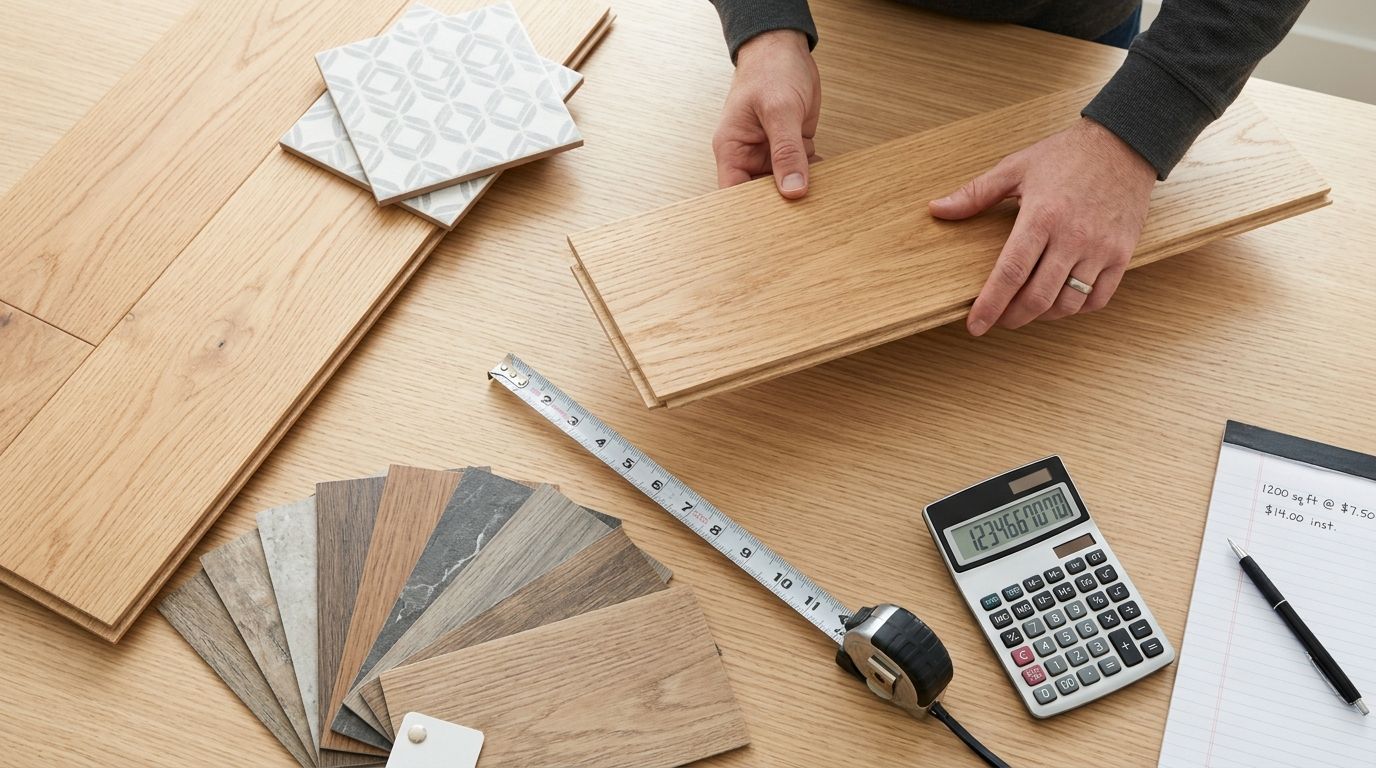
Let's get straight to the point: you need to understand the real cost of new flooring for your home. On average, homeowners can expect to pay around $7 per square foot for flooring installation, which includes both materials and labor. For a standard 500-square-foot room, that puts the total project cost at approximately $3,500.
However, this is just a starting point. The final price can range from as little as $2 per square foot for budget-friendly options to over $20 per square foot for high-end materials and complex installations. Your specific choices and project details will determine where you land in that range.
Table of Contents
- Material vs. Labor Cost Comparison Per Square Foot
- Hardwood Flooring
- Tile Flooring
- Laminate Flooring
- Luxury Vinyl Plank (LVP) Flooring
- Is It Cheaper to Install Flooring Yourself?
- How Long Does It Take to Install New Flooring?
- Does My Flooring Choice Affect My Home's Resale Value?
Your Quick Guide to Flooring Costs in 2026
Planning a flooring project begins with establishing a realistic budget. The total cost is driven by two primary components: the price of the flooring material itself and the labor cost for professional installation. This guide is designed to demystify these costs, helping you make informed decisions.
Think of the $7 per square foot national average as a helpful benchmark. Your actual flooring installation cost per square foot will be unique to your project. Key variables include your geographic location (costs can vary even within Massachusetts), the current condition of your subfloor, and the complexity of the installation.
To provide a clearer picture, we've created a summary table breaking down the typical costs for today's most popular flooring materials.
Average Flooring Installation Cost Per Square Foot (Materials + Labor)
This table offers a quick overview of the estimated total cost per square foot for installing various flooring types. These figures are a helpful starting point for your budget, representing a broad range from low-end to high-end scenarios.
| Flooring Type | Average Cost Per Square Foot (Low End) | Average Cost Per Square Foot (High End) | Typical Price Range |
|---|---|---|---|
| Hardwood | $12 | $20 | $12 - $20 |
| Laminate | $4 | $9 | $4 - $9 |
| Tile | $10 | $20 | $10 - $20 |
| Vinyl (LVP/LVT) | $3 | $10 | $3 - $10 |
Understanding Material Costs
Here's a closer look at what influences the price for each material:
- Hardwood: A timeless choice that offers a strong return on investment and classic beauty. It sits at the higher end of the cost spectrum but provides unmatched longevity.
- Laminate: An excellent, budget-friendly alternative for those who want the look of wood or stone with added durability and a lower price point.
- Tile: Unrivaled in durability and water resistance, tile is ideal for kitchens, bathrooms, and entryways. The cost varies significantly based on material (ceramic vs. natural stone) and pattern complexity. For a complete breakdown, explore our guide on tile installation costs.
- Vinyl (LVP/LVT): Luxury vinyl is surging in popularity due to its waterproof nature, vast style options, and excellent balance of quality and affordability, making it a highly versatile choice.
How Your Choice of Flooring Material Shapes the Final Cost
When you begin planning a flooring project, you'll find that your material choice is the single biggest factor influencing the total cost. It's not just the sticker price of the material; it also determines the installation complexity, which directly affects labor expenses.
Analyzing the flooring installation cost per square foot allows for an apples-to-apples comparison between different options. Let's break down the typical cost ranges for the most popular materials on the market.
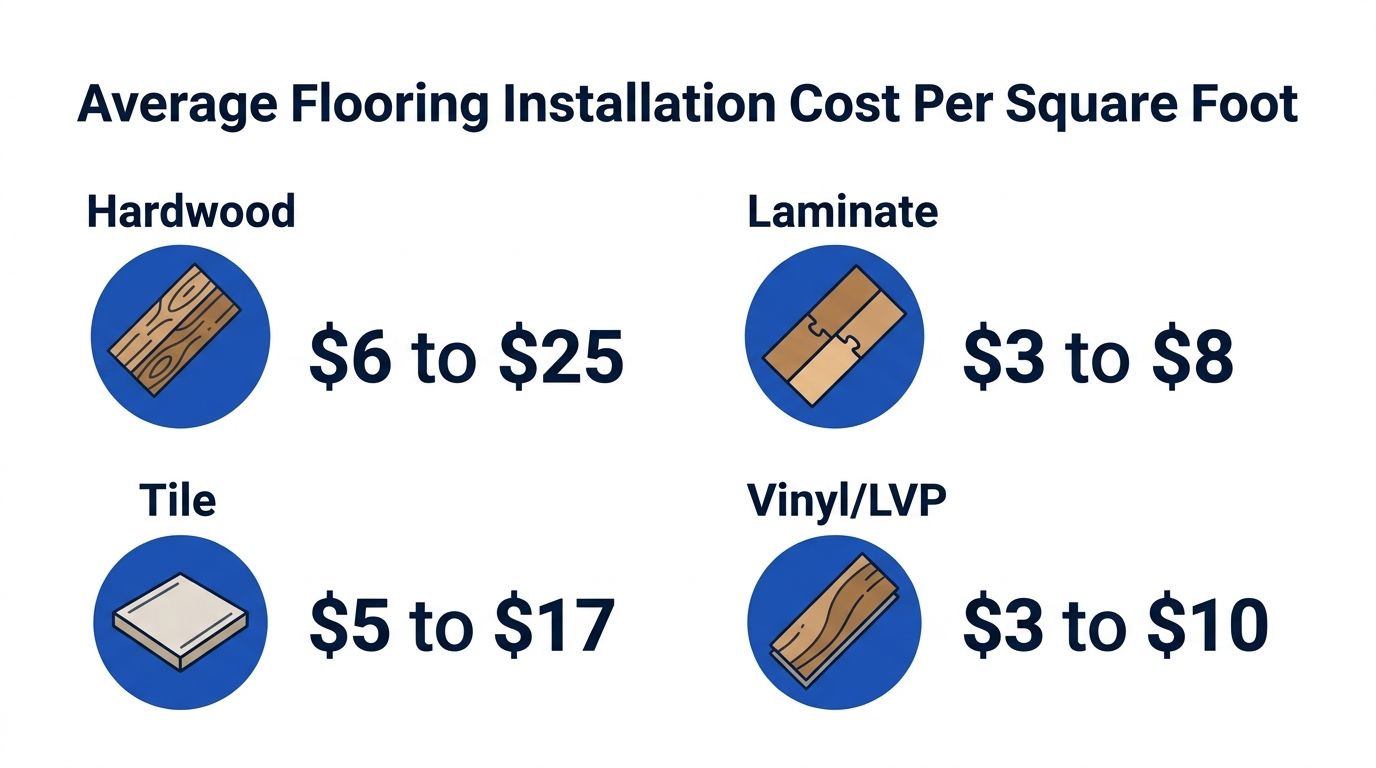
As the chart illustrates, there's a significant cost difference between premium materials like hardwood and more budget-conscious choices like laminate. But what really comprises those numbers?
Material vs. Labor Cost Comparison Per Square Foot
Seeing the total cost is helpful, but understanding the split between materials and labor provides deeper insight. Some flooring types have low material costs but require intensive labor, while others are the opposite. This table clarifies that breakdown.
| Flooring Material | Material Cost/Sq. Ft. | Labor Cost/Sq. Ft. | Total Estimated Cost/Sq. Ft. |
|---|---|---|---|
| Hardwood | $4–$15 | $2–$10 | $6–$25 |
| Tile | $3–$10 | $5–$15 | $8–$25 |
| Laminate | $1–$5 | $2–$5 | $3–$10 |
| Luxury Vinyl Plank | $2–$7 | $1–$4 | $3–$11 |
Understanding this split is crucial for smart budgeting. It shows you exactly where your money is going—whether it's the material itself or the skilled work required to install it.
Hardwood Flooring
Hardwood's timeless appeal is undeniable, but it represents one of the larger investments you can make in your floors. Its incredible longevity and ability to boost home value help justify the cost. The total hardwood floor installation cost per square foot, including materials and labor, typically runs between $6 and $25.
Budget-friendly options include common domestic woods like Red Oak or Maple, which generally fall into the $6 to $12 per square foot range. Conversely, exotic species like Brazilian Cherry or custom patterns such as herringbone can push the cost from $13 to over $25 per square foot. Wood species, plank width, and finish all contribute to the final price.
Tile Flooring
Tile is another material with a wide cost spectrum. You can find basic ceramic tile for just a few dollars per foot, or opt for high-end natural stone like marble that carries a premium price.
With tile, the labor cost is a significant variable. A simple grid pattern is relatively straightforward for a professional to lay. However, complexity dramatically increases the cost.
- Intricate Designs: A beautiful herringbone or chevron pattern requires meticulous planning, numerous cuts, and precise placement, increasing labor time and cost.
- Subfloor Prep: Tile demands a perfectly flat and rigid subfloor. If your existing floor requires repairs, leveling, or reinforcement, this essential work will be added to the project budget.
Laminate Flooring
For homeowners seeking the look of wood without the high cost, laminate has long been a go-to solution. Modern laminate often features a simple "click-lock" system, which speeds up installation and helps keep labor costs down.
The price of laminate flooring depends on its thickness, the durability of its top "wear layer," and the realism of its photographic layer. It's a great, durable option for many parts of the home, especially when considering the best flooring for high-traffic areas.
Luxury Vinyl Plank (LVP) Flooring
Luxury Vinyl Plank (LVP) has become incredibly popular, and for good reason. It's waterproof, highly durable, and expertly mimics the look of real wood or stone. This gives you a high-end aesthetic without the demanding maintenance.
Similar to laminate, most LVP uses a click-lock system, making installation quick and cost-effective. The material price varies based on plank thickness, wear layer durability, and whether it includes a pre-attached underlayment for added comfort and sound reduction.
What Goes Into the Price of Professional Labor?
When reviewing a flooring quote, it's easy to focus on the material cost and question the labor charges. Professional labor, however, encompasses much more than just laying down planks. It's the skill, precision, and problem-solving that transforms raw materials into a beautiful, long-lasting floor. You're paying for craftsmanship.
While many can click a few planks together, an expert builds a floor designed to perform flawlessly for decades. This expertise means executing every step correctly, from preparation to the final touches.
The Work Before the Work Begins
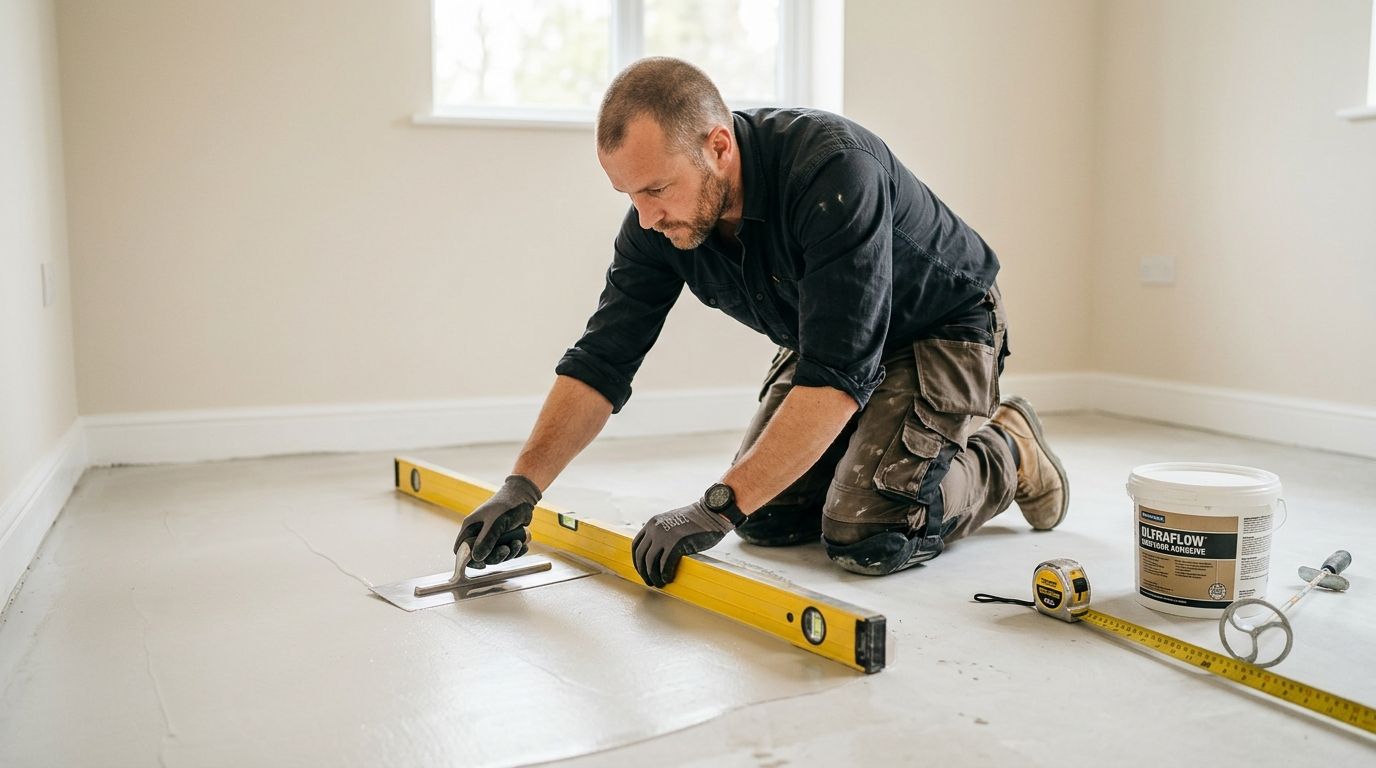
A significant portion of labor costs occurs before the new flooring is even unboxed. This is subfloor preparation, and it's the most critical part of the entire installation.
A beautiful floor laid over a bad subfloor is just a beautiful floor that's doomed to fail. Proper preparation isn't an upsell; it's the foundation of a quality job.
This essential prep work includes several key tasks:
- Leveling: The subfloor must be perfectly flat. A professional uses self-leveling compounds to fill dips and grinds down high spots, preventing future squeaks, gaps, and cracked tiles.
- Cleaning: The subfloor is meticulously cleaned of all dust, debris, and old adhesives that could compromise the new floor's bond.
- Moisture Testing: Professionals test concrete and wood subfloors for excess moisture, which can cause warping, cupping, or mold. This step also involves installing the correct underlayment, such as a proper tile backer board installation, to create a stable, moisture-resistant base.
Precision, Patterns, and Problem-Solving
Once the subfloor is prepared, the installation artistry begins. This is where a professional's technical skill truly shines and justifies the cost.
An empty, square room is one thing, but most homes in areas like Wayland or Wellesley present unique challenges that demand real expertise:
- Complex Layouts: Fitting flooring around a kitchen island, a curved wall, or a complex staircase requires dozens of precise, custom cuts.
- Intricate Patterns: A stunning herringbone or chevron pattern involves meticulous planning and significantly more cuts than a standard layout, adding to labor time.
- Transitions: Creating a clean, seamless transition from new hardwood to existing tile requires specialized pieces and the skill to install them flawlessly.
For example, a typical laminate flooring project might cost between $3.80 and $4.80 per square foot all-in. The labor portion often accounts for $2.00 to $3.00 per square foot of that total—a figure reflecting this detailed preparation and precision work. You can see a full breakdown of the cost to install laminate floors for more detailed numbers.
Ultimately, investing in professional labor is an investment in peace of mind and a result that is guaranteed to last.
Budgeting for Costs Beyond the Floor Itself
It’s easy to focus solely on the per-square-foot cost of the flooring you love. However, a common mistake is underestimating the "hidden" costs of a complete project. These aren't sneaky upsells; they are essential services required for a professional, long-lasting installation.
A trustworthy contractor will provide a detailed breakdown, but it's wise to understand these potential costs beforehand. Let's look at the other services that make up a complete flooring project so you can build a truly realistic budget.
Common Additional Flooring Project Costs
Here's a checklist of services that often fall outside the basic installation fee. Knowing about these will help you understand the full scope of your investment.
Old Floor Removal and Disposal: Before new flooring can be installed, the old material must be removed and hauled away. This labor-intensive task can add $0.60 to $4.00 per square foot to your total cost, depending on the material.
Subfloor Repair or Leveling: This is a non-negotiable. An uneven or damaged subfloor is a recipe for disaster, leading to squeaks, gaps, and premature failure of your new floor. A professional must address these issues before installation can begin.
Furniture Moving: Installers require a completely clear workspace. While you can save money by moving furniture yourself, many homeowners opt to have the installation team handle this to prevent damage and ensure a smooth process.
New Trim or Baseboards: Old baseboards often get damaged during removal and may not match the height of your new floor. Installing fresh trim provides a clean, polished finish to the room.
Remember, these services are fundamental to the quality and lifespan of your new floor. A properly prepared subfloor, for instance, is the single most important factor in preventing future problems.
When you discuss your project with a contractor, ensure these items are addressed. A team that values transparency, like we do at Sunny Day Pro Services, will provide a detailed, line-item estimate so there are no surprises—just a beautiful, professionally installed floor you'll love for years.
Creating a Realistic Budget for Your New Floors
Now that you understand the variables, it's time to create a practical budget for your specific project. A well-planned budget is the key to a stress-free experience from start to finish.
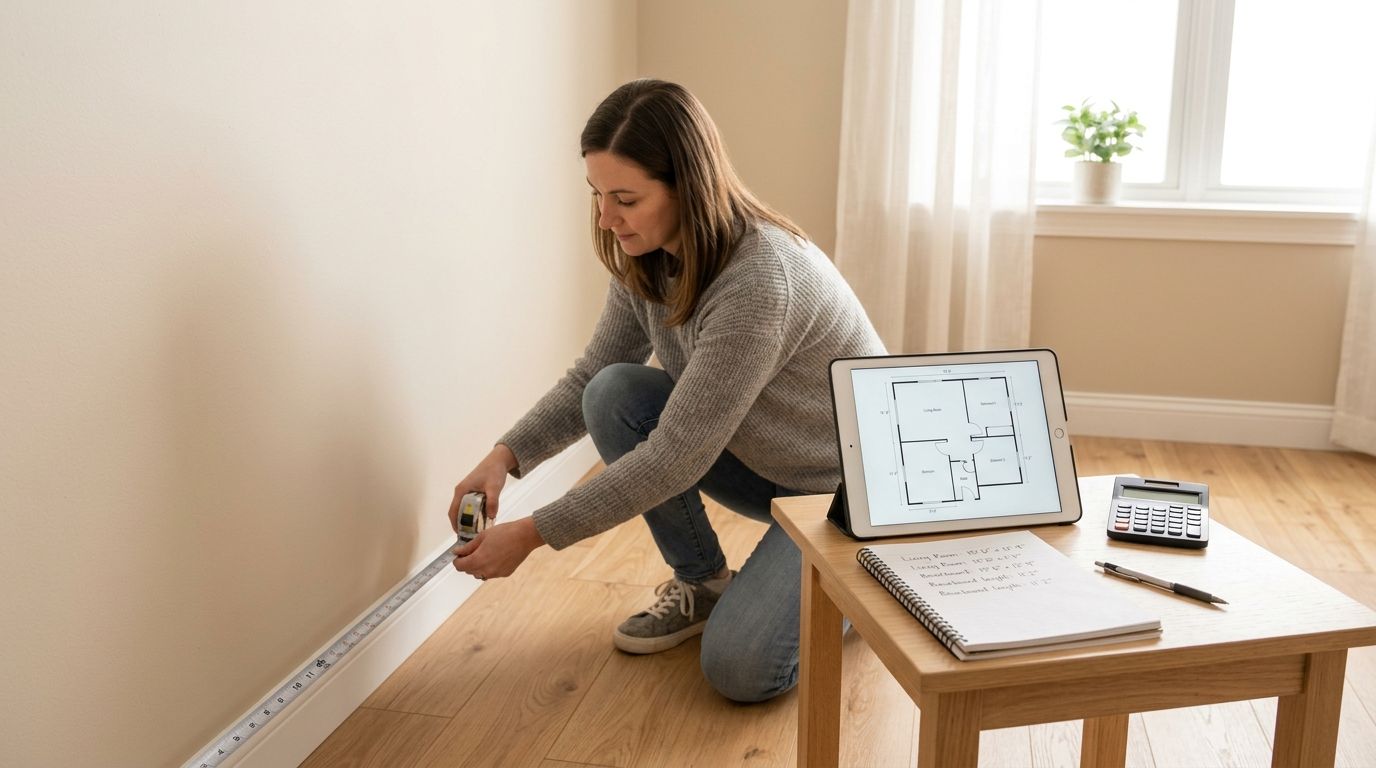
First, you need accurate measurements. Use a tape measure to determine the exact square footage of every room getting new floors. Don't forget to include closets, hallways, and small nooks—overlooking these areas can leave you short on materials.
Building Your Project Budget Step by Step
With your total square footage in hand, follow these three steps to build a reliable cost estimate.
Calculate Your Material Cost: Multiply your total square footage by the per-square-foot price of your chosen flooring. Crucial Pro Tip: Always add a 10% to 15% waste factor. This extra material covers cuts, mistakes, and complex angles.
Estimate Your Labor Cost: Multiply the same square footage by the estimated labor rate for your chosen material. Remember that a simple click-lock vinyl installation will have a lower labor cost than a complex tile or herringbone wood installation.
Add a Contingency Fund: This is non-negotiable. Set aside an extra 10% to 15% of your total estimated cost (materials + labor). This fund acts as a safety net for unexpected issues, like subfloor repairs or furniture moving fees.
Think of a budget not as a restriction, but as a roadmap. A well-planned budget that includes a contingency fund is your best defense against sticker shock and is the key to keeping your project running smoothly.
Real-World Example: A 500 Sq. Ft. Project
Let's apply this to a real-world scenario. Imagine you're installing a mid-range Luxury Vinyl Plank (LVP) in a 500-square-foot living room.
- 500 sq. ft. x $4/sq. ft. = $2,000
- Add 10% for waste ($200) = $2,200 Material Cost
- 500 sq. ft. x $2.50/sq. ft. = $1,250 Labor Cost
- $3,450 x 0.15 = $517.50 Contingency Fund
Your realistic, all-in budget for this project would be $3,967.50. This figure provides a much more accurate picture of the final flooring installation cost per square foot than the material price alone.
How to Choose a Reputable Flooring Contractor
With a solid budget in place, your next step is finding the right professional to bring your vision to life. A great flooring contractor can mean the difference between a smooth, satisfying project and one plagued by costly headaches. This isn't just about finding the lowest price; it's about finding a true professional who communicates clearly and stands behind their work.
To ensure your investment is in good hands, you need to ask the right questions. Any reputable installer will be able to provide confident, straightforward answers.
Key Questions for Potential Installers
Treat this process like an interview for an important job—because it is. A contractor's answers will reveal their experience and professionalism. Here are some essential questions to ask every team you consider:
Are you licensed and insured? This is non-negotiable. A professional should immediately provide proof of general liability insurance and worker's compensation. This protects you from liability in case of an accident on your property.
Does your quote include everything? A transparent quote will itemize all costs: materials, labor, old floor removal, disposal fees, and potential subfloor repairs. A single lump-sum number without details is a red flag for hidden charges later.
What kind of warranty do you offer on your work? A confident contractor will always guarantee their craftsmanship. Ask specifically about the workmanship warranty, which is separate from the manufacturer's product warranty. A one-year guarantee on the installation is a standard sign of quality.
A contractor who is vague about insurance, provides an unclear quote, or won't offer a warranty on their labor is a major red flag. True professionals are proud of their credentials and stand by the quality of their work.
Choosing the right team ensures your project is a success from start to finish. At Sunny Day Pro Services, we build our business on transparent pricing and guaranteed results, so your new floors will be a source of pride for years to come.
FAQs: Answering Your Top Flooring Cost Questions
You've got the basics down, but a few more questions often arise as you get closer to a decision. Here are answers to some of the most common queries we hear from homeowners.
Is It Cheaper to Install Flooring Yourself?
While a DIY installation saves on upfront labor costs, it's a significant risk. A small mistake in subfloor prep or a few bad cuts can lead to wasted materials and, worse, a floor that fails prematurely. Professional installation acts as an insurance policy against these issues. For complex materials like hardwood or tile, hiring a pro is essential for a beautiful, long-lasting result. Additionally, many product warranties are voided by improper DIY installation.
How Long Does It Take to Install New Flooring?
The timeline depends on the room size, material choice, and the extent of prep work required.
- A straightforward laminate floor in a 300 sq. ft. room might be completed in one day.
- A larger project, like installing 1,000 sq. ft. of hardwood with significant subfloor prep, could take 3 to 5 days.
A reputable contractor will provide a clear, realistic timeline in their estimate.
Does My Flooring Choice Affect My Home's Resale Value?
Absolutely. New flooring often provides one of the best returns on investment of any home renovation. Gleaming hardwood floors are a highly sought-after feature that can significantly increase a home's market value. The same is true for high-quality porcelain tile in a kitchen or bathroom. Even a well-installed Luxury Vinyl Plank (LVP) floor can make a home feel fresh and move-in ready, making it far more appealing to buyers than a house with dated, worn-out carpeting.
For active households in Massachusetts with kids and pets, Luxury Vinyl Plank (LVP) and porcelain tile are the most durable options. LVP is waterproof and scratch-resistant, while porcelain is nearly indestructible, making both fantastic long-term investments.
Ready to transform your home with a beautiful, professionally installed floor? The team at Sunny Day Pro Services is here to make it happen. We provide clear, detailed estimates and guaranteed workmanship for homeowners across Wayland, Wellesley, and beyond. Request your free estimate today and let's get started.

