
Tile Installation Per Square Foot: A 2026 Cost Guide
Get the real numbers on tile installation per square foot in 2026, plus what drives labor, materials, and prep costs in Massachusetts homes.
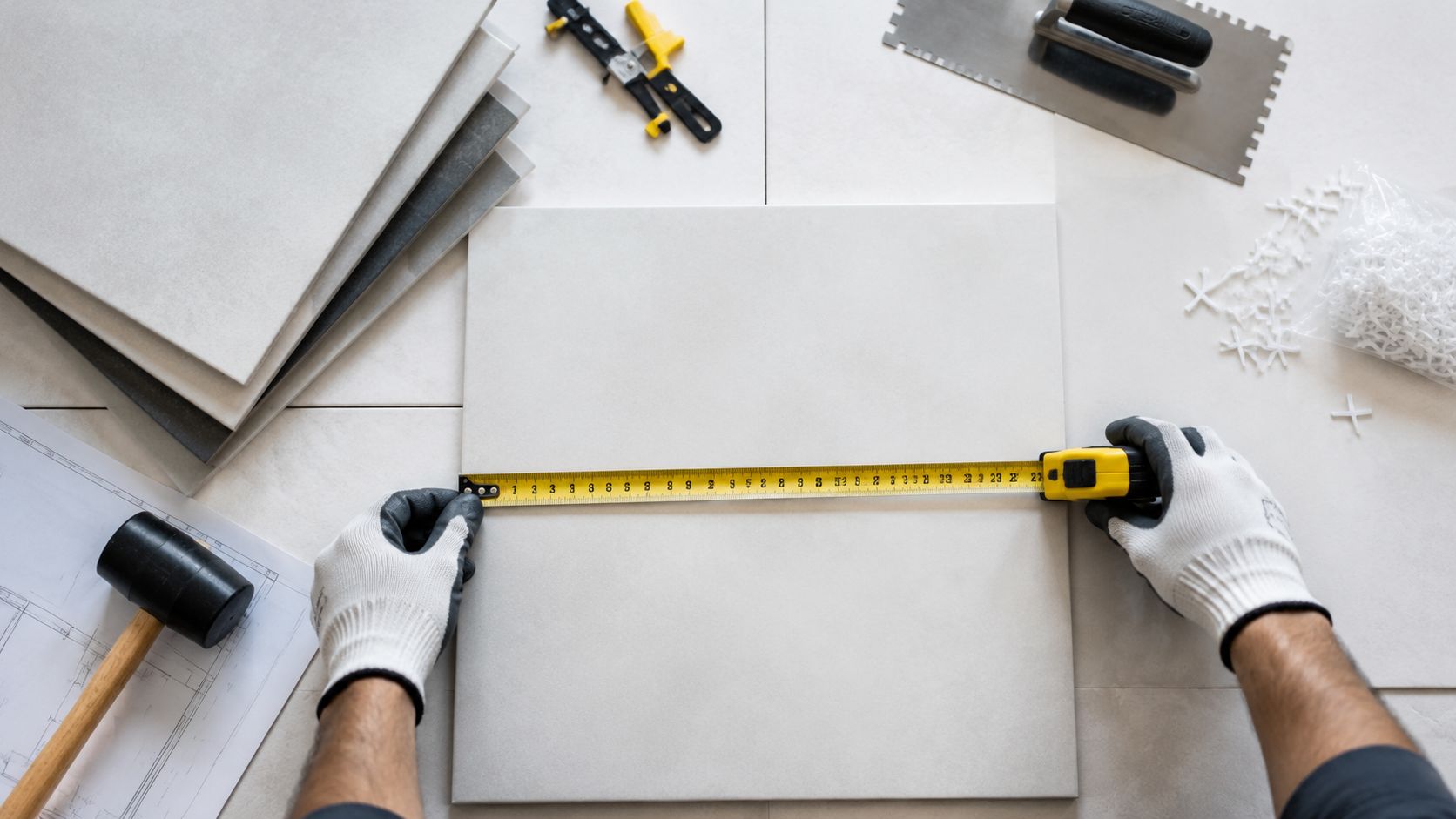
Most U.S. homeowners pay between $10 and $25 per square foot for standard ceramic or porcelain tile installation in 2026, and full project totals commonly fall between $400 and $4,250. If you're shopping bids right now, that's the range you should have in your head before anyone starts talking about upgrades, prep, or “extras.”
The problem is that the number on the quote usually isn't just tile. It's materials, labor, prep, waste, and whatever the installer expects to run into once the old floor comes up. That's why one homeowner hears $15 per square foot and another hears something much higher for the same size room.
Table of Contents
- What Tile Installation Per Square Foot Actually Means
- What usually sits inside the bid
- What gets buried in fine print
What Tile Installation Per Square Foot Actually Means
Tile installation per square foot is a bundled price, not a sticker price on tile sitting in a box. The number usually covers the tile itself, setting materials, labor, and the work needed to make the surface ready to receive tile. In practice, that makes it a project quote, not a product quote.
A homeowner comparing estimates needs to ask one simple question. What's included in the square-foot figure, and what gets added later? If a bid leaves out demolition, leveling, waterproofing, or disposal, the headline number is basically a teaser.

The room itself significantly affects the price. Straight layouts are simpler. Tight cuts around a vanity, toilet, doorway, or stair nose take more time and waste more material, so the same square-foot quote can mean very different things in two different rooms.
Practical rule: Don't compare per-square-foot numbers unless the scope is the same. A quote that includes demo and prep is not equal to a quote that assumes a clean, flat floor.
That's why a project can sit in the $10 to $25 per square foot range for standard work and still climb well beyond that when the tile gets harder to install or the prep gets ugly. The square-foot price is only useful when you know what's inside it. For a step-by-step view of the process itself, see these tile installation steps.
Breaking Down the Components of the Per-Square-Foot Price
The square-foot number gets real only when you split it apart. Mid-range tile often adds $2 to $10 per square foot, professional labor commonly adds $5 to $15 per square foot, and installers also advise 10% to 15% extra for waste and supplementary materials. That's the math most homeowners never see because it gets rolled into one tidy quote, then padded later if the room fights back. An Angi cost guide notes those common adders, and they're exactly where the budget moves.
What usually sits inside the bid
Thinset, grout, edging, and waterproofing don't sound expensive by themselves, but they're part of the system that keeps the floor from failing. If a contractor glosses over them, you're not getting a lean quote. You're getting a quote that's probably missing something.
| Typical Cost Components Per Square Foot | Low ($/sq ft) | High ($/sq ft) |
|---|---|---|
| Tile material | 2 | 10 |
| Professional labor | 5 | 15 |
| Waste and supplementary materials | 10% | 15% |
| Prep, leveling, or membrane work | 0 | project-specific |
| Removal of old tile | 5 | 5 |
That table is the cleanest way to read a bid. If the labor line looks low but there's no real prep allowance, the contractor is either assuming perfect conditions or planning to change the price later. On a typical room, the hidden pressure points are transitions, substrate corrections, and the time it takes to keep the layout square.
What gets buried in fine print
A minimum project fee can distort the per-square-foot rate on smaller rooms. Fixed mobilization, layout, and tool setup costs still exist whether the room is 40 square feet or 400, so the effective rate rises fast when the square footage drops. An industry cost guide from Angi also notes that removing old tile adds about $5 per square foot, which is why “simple replacement” usually isn't simple at all.
If a bid looks low, check whether it assumes clean demolition, flat substrate, and straight cuts. That's where the surprise invoices usually hide.
For a related cost lens, this flooring installation cost per square foot guide is useful because it shows how labor and prep tend to dominate the final number, not just the tile itself.
How Tile Material Changes the Per-Square-Foot Number
Tile type drives the spread more than anything else. A basic ceramic project can land in a very different place from a marble shower or a glass mosaic backsplash because the material itself changes the labor, cutting, sealing, and waste. The broad market ranges bear that out, with installed pricing stretching from lower-end ceramic work into premium stone and glass territory. The Spruce's tile installation cost guide shows how wide that spread can be.

Ceramic and porcelain sit in the practical range
Ceramic is usually the budget-friendly choice for standard floors and walls. It's easier to cut, easier to place, and usually less fussy about the install. Modernize says a 100-square-foot bathroom typically costs $600 to $1,800 with ceramic tile, and ceramic often totals about $6 to $13 per square foot installed because material runs $1 to $5 and labor runs $5 to $8 per square foot. Modernize's tile guide is a useful benchmark for homeowners who want a grounded starting point.
Porcelain sits higher because it's denser and usually harder on the saw blade and the installer. That extra effort matters. It's still a smart choice in wet areas and high-traffic spaces, but it's rarely the cheapest route once labor is counted.
Natural stone and glass raise the stakes
Natural stone, including marble, granite, and travertine, pushes the budget up because sealing and careful handling are part of the job. Glass and mosaic tiles raise labor too, since there are more cuts, more waste, and more chances to break a piece at the wrong angle. The Spruce also shows premium materials reaching much higher installed rates than standard ceramic.
The tougher the tile, the less forgiving the install. Dense material, delicate cuts, and intricate layout all add cost faster than most homeowners expect.
If you want a simple budget rule, think in tiers. Ceramic is the entry point, porcelain is the durable middle, and stone or glass belongs in the premium column. For a material-by-material shopping lens, this tile cost guide is a good companion.
A Step-by-Step Cost Example for a Real Bathroom
Take a 120-square-foot bathroom and price it the way a decent contractor would. Don't start with tile alone. Start with demolition, because old tile has to come out before anything else can go in. Angi notes that removal of old tile adds about $5 per square foot, which is where many “cheap” bids stop being cheap.
A realistic mid-range buildout
Here's a straightforward way the math can work:
- Demo of existing tile, 120 square feet at $5 per square foot. That's $600.
- Mid-range tile material, 120 square feet at a moderate tier inside the $2 to $10 per square foot material band. The exact finish changes the total, but the material line is still only one part of the bill.
- Professional labor, 120 square feet inside the common $5 to $15 per square foot range.
- Waste and supplemental materials, added at 10% to 15% of the material and setting package.
- Waterproofing and substrate corrections, billed only if the room needs them, which wet spaces usually do.
That's the honest shape of the project. The final per-square-foot number can't be treated like a flat commodity price because the bathroom is too small to absorb surprises cheaply. A cracked subfloor, for example, changes the quote immediately because the installer has to stop, repair, and rebuild the base before tile goes down.
What homeowners usually forget to budget
The low line items are easy to see. Overage costs come from the things that are hard to photograph before demo. Leveling, transitions, and waterproofing all affect the finished floor, and they're the first places where a bid can drift upward once the work starts.
A decent contractor should be able to walk you through the estimate room by room. If they can't explain why the square-foot number changes after demo, you're not looking at a finished price. You're looking at the start of a negotiation.
Why the Cheapest Per-Square-Foot Bid Often Costs More
The lowest bid is often the most expensive one in disguise. Contractors can make a quote look attractive by leaving out prep, underestimating waste, or assuming the tile pattern will be simple when it won't. The Spruce makes the same point in a more general way, the advertised square-foot number often hides the actual scope.

Three ways the cheap quote bites back
- Prep gets added later. A quote can look lean until demo reveals a bad substrate. Then the extra work shows up as a change order.
- Waste gets ignored. That's risky on patterned or large-format tile, where a few bad cuts can eat through extra boxes fast.
- Waterproofing gets skipped. Wet rooms punish shortcuts. If the membrane isn't in the bid, it's probably not in the plan.
The trick is to ask what the price assumes, not just what it includes. A materials-only estimate may sound low because labor hasn't really been captured. A labor-only estimate can sound fair until you realize the installer expects the room to be perfectly prepped before he arrives.
A quote that leaves out prep is not cheaper. It's incomplete.
That's the whole game. If two bids differ by a lot, the lower one usually removed a problem from the paper, not from the jobsite. When the missing line item appears later, the homeowner pays for it anyway, only after the schedule has already slipped.
Massachusetts Pricing Factors Most National Guides Miss
Massachusetts isn't priced like a generic national average, and MetroWest homeowners know it. Older homes in Wayland, Newton, Needham, Wellesley, and Weston often come with tired substrates, uneven transitions, and patchwork remodel history that make the install slower than a clean suburban slab. That means the per-square-foot figure has to cover more real-world labor than a glossy national guide usually admits.
Why the quote runs higher here
Boston-area labor tends to reflect a tighter market, especially for skilled finish work. Tile installers who can handle layout, waterproofing, and clean cuts are not the same people who just spread thinset and hope for the best. In this area, craftsmanship is part of the price because mistakes are expensive to fix.
Older plaster-backed walls and mixed-age subfloors also change the job. Leveling takes time, and time costs money. If the house has settled, or if prior remodels left rough transitions, the installer has to correct those issues before tile can look right.
Seasonal demand matters too
Spring and fall are busy renovation windows in many MetroWest towns. That doesn't just affect schedules, it affects how soon a crew can start and how much flexibility they have on pricing and timing. Homeowners who wait until the rush often get fewer options and more pressure to accept a narrow start date.
In Massachusetts, the cheapest number on paper can disappear fast once the installer opens up an older floor and sees what's underneath.
That's why a local estimate should be treated differently from a national average. The house age, the room condition, and the installer's calendar all matter. A Massachusetts homeowner who understands that upfront is less likely to get surprised once the demo starts.
Practical Ways to Lower Your Tile Installation Cost
You can cut the bill without wrecking the job. The biggest savings come from making the install simpler, cleaner, and faster for the crew. You don't need gimmicks, you need fewer complications.
The moves that actually help
- Buy during supplier sales. Tile distributors do run promotions, and the savings can be real if you're flexible on style.
- Choose a standard tile size. Straightforward sizing reduces cuts and waste, which keeps labor cleaner.
- Handle demolition or cleanup yourself. If you're comfortable with the mess, you can save on part of the prep bill.
- Use a liquidation outlet. Good for budget jobs, as long as the lot has enough matching stock for the full room.
- Bundle rooms together. One trip, one layout session, one mobilization fee. That often helps spread the minimum charge across more square footage.
Each of those choices has a trade-off. Standard tile may be less dramatic. DIY demo saves money but adds labor to your weekend. Liquidation stock can be a bargain, but only if you buy enough to finish the job and keep a repair box.
What to skip if you want to stay in budget
Don't chase a complex layout if a straight-set floor will do the job. Herringbone looks sharp, but it asks more of the installer and the material. If the goal is to lower the per-square-foot price, elegance should come second to simplicity.
For readers comparing service costs across trades, Sunny Day Pro Services' flooring installation pricing guide can help frame where tile labor fits in the broader home improvement budget.
When to Hire a Pro and What to Expect From Sunny Day Pro Services
Small backsplash jobs with straight cuts can be DIY-friendly if you've got patience and the right saw. Wet rooms, large-format tile, natural stone, and any subfloor problem are professional territory. If the room needs waterproofing, leveling, or structural correction, don't gamble on a weekend project.
Sunny Day Pro Services handles porcelain, ceramic, marble, granite, custom backsplashes, and full-room remodels for homeowners in Wayland, Newton, Needham, Wellesley, Weston, and nearby Massachusetts communities. The right call is simple, get a fast quote, compare scope clearly, and hire the crew that tells you what's included before the first tile comes out of the box.
If you're pricing a tile project in Massachusetts and you want the scope spelled out before the work starts, Sunny Day Pro Services can help with tile installation, backsplashes, and full-room remodels. Reach out for a quote, compare the line items, and move forward with a plan that won't surprise you after demo day.

